
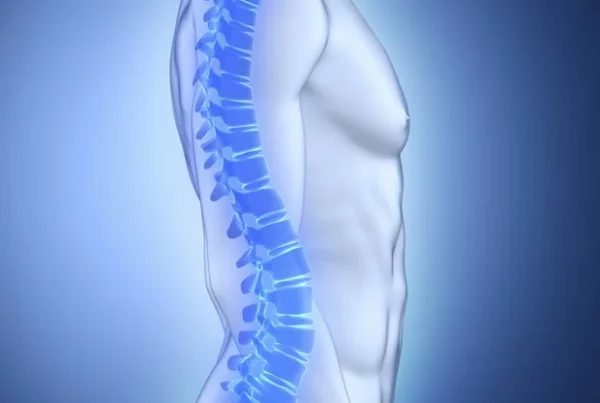
Silent Vertebral Fractures: The Hidden Osteoporosis Risk
Imagine sustaining a fracture — a genuine structural failure of bone — and feeling nothing. No acute pain. No fall. No obvious moment of injury. You carry on with your…
Adult Still’s disease is a rare systemic inflammatory condition characterised by high fevers, joint pain, and inflammation affecting multiple parts of the body. It is considered an autoinflammatory disorder and can significantly impact mobility, function, and overall wellbeing if not recognised early.
Patients typically present with spiking fevers (often in the evening), joint pain and swelling, and a characteristic salmon-pink rash that may appear with fever. The condition may affect both large and small joints and can sometimes involve internal organs.
Common symptoms may include:
Diagnosis:
Diagnosis is primarily clinical and based on symptoms, examination, and exclusion of infections, malignancy, and other inflammatory conditions. Blood tests often show raised inflammatory markers (ESR, CRP), high ferritin levels, and other supportive findings. Imaging may be used to assess joint involvement.
Treatment:
Treatment aims to control inflammation, relieve symptoms, and prevent long-term joint damage. Management may include:
Early specialist assessment is important, as timely treatment can significantly improve symptoms, reduce complications, and preserve long-term musculoskeletal function.
Ankylosing spondylitis (AS) primarily affects the spine and sacroiliac joints, with patients experiencing chronic pain and stiffness in the back, which can sometimes be severe. AS can also affect peripheral joints and other organ systems. There are streamlined approaches to clinical assessment and several treatment options, including physiotherapy, anti-inflammatory medications, selected disease-modifying drugs, and biologic therapies.
The aims of treatment are:
Diagnosis
Diagnosis is based on clinical history, physical examination, inflammatory markers, and imaging. X-rays and MRI of the sacroiliac joints and spine are commonly used to detect early inflammatory changes. Additional blood tests, including HLA-B27 where appropriate, may support the diagnosis in the correct clinical context.
Treatment
Early diagnosis and specialist management are essential to control inflammation, preserve spinal mobility, and prevent structural damage. Treatment typically includes regular physiotherapy, structured exercise, non-steroidal anti-inflammatory drugs (NSAIDs), and, where indicated, biologic therapies. Long-term management focuses on maintaining posture, function, and mobility while reducing pain, inflammation, and the risk of complications associated with chronic spinal disease.
Back pain is a common musculoskeletal condition that can affect the spine, muscles, ligaments, and intervertebral discs. In most cases it is mechanical and self-limiting, but persistent or severe symptoms may indicate an underlying inflammatory, degenerative, or structural cause.
Pain may be localised to the lower back or neck and can sometimes radiate to the legs or arms depending on nerve involvement. Prolonged inactivity, poor posture, injury, and age-related degeneration are frequent contributing factors.
Symptoms may include:
Red flag symptoms requiring urgent medical review include:
Diagnosis
Diagnosis is primarily clinical, based on history and physical examination. Imaging such as X-rays or MRI may be required if symptoms persist, are severe, or red flag features are present. Blood tests may be considered where inflammatory or systemic causes are suspected.
Treatment
Management focuses on pain relief, restoration of function, and addressing underlying causes. This may include physiotherapy, posture optimisation, targeted exercise, anti-inflammatory medication where appropriate, and lifestyle modification. Early mobilisation and structured rehabilitation are encouraged to prevent chronic disability and loss of musculoskeletal function.
Gout is an inflammatory arthritis caused by the deposition of uric acid crystals in the joints. Uric acid accumulation leads to inflammation and, over time, may result in joint damage if not appropriately managed. This occurs when the body either overproduces uric acid or is unable to eliminate it effectively.
Symptoms
Gout typically presents with sudden onset of severe pain, redness, warmth, and swelling, most commonly affecting the big toe. Attacks often occur at night and can be extremely painful. If left untreated over several years, multiple joints may become involved, leading to chronic gouty arthritis, joint deformity, and reduced function. Uric acid deposits (tophi) may develop under the skin, commonly around the elbows, hands, and feet. In some cases, uric acid may accumulate in the kidneys, increasing the risk of kidney stones and impaired renal function.
Diagnosis
The diagnosis of gout is confirmed by identification of uric acid crystals in joint fluid or tophus aspirate using polarised microscopic examination, supported by clinical history, examination, and relevant blood tests.
Treatment
The treatment of gout aims to relieve acute pain, reduce inflammation, and prevent recurrent attacks and long-term joint damage.
Acute gout attacks are typically managed with anti-inflammatory medications such as non-steroidal anti-inflammatory drugs (NSAIDs), colchicine, or short courses of corticosteroids, depending on the patient’s clinical profile and comorbidities. Rest, elevation of the affected joint, and ice application may also help reduce pain and swelling.
Long-term management focuses on lowering serum uric acid levels to prevent future flares and complications. This may include urate-lowering therapies such as allopurinol or febuxostat, alongside regular monitoring and dose optimisation.
Lifestyle and metabolic factors are also important in holistic care. Patients are advised to:
Early diagnosis and appropriate long-term management significantly reduce the risk of chronic gouty arthritis, joint deformity, kidney stones, and functional impairment.
Osteoarthritis (OA) is a common form of arthritis associated with ageing, previous injury, repetitive mechanical stress, and genetic factors.
The basic abnormality in OA is the progressive wearing of the articular cartilage. Healthy cartilage has important shock-absorbing properties, but impaired repair mechanisms and joint malalignment can accelerate joint degeneration and symptoms.
Symptoms
You may experience intermittent joint pain, stiffness, bone and soft tissue swelling, crepitus (a grinding or crunchy sensation), and reduced joint mobility.
Diagnosis
The diagnosis is made from the clinical history and physical examination. X-rays help confirm structural changes, and in some cases blood tests and other imaging investigations may be required to exclude other inflammatory conditions.
Treatment
Contrary to popular opinion, the progression of osteoarthritis can be slowed with appropriate holistic and multidisciplinary care. Treatment focuses on pain reduction, improving joint function, physical therapy, muscle strengthening, joint protection strategies, and, where appropriate, medical therapies to improve quality of life.
Osteoarthritis (OA) is a common form of arthritis associated with ageing, previous injury, repetitive mechanical stress, and genetic factors.
The fundamental abnormality in OA is the progressive loss of articular cartilage. Healthy cartilage has important shock-absorbing properties, but impaired repair mechanisms and joint malalignment can accelerate joint degeneration and symptom progression.
Symptoms
Patients may experience intermittent joint pain, stiffness, bone and soft tissue swelling, crepitus (a grinding or crunchy sensation), and reduced joint mobility.
Diagnosis
The diagnosis is based on clinical history and physical examination. X-rays help confirm structural joint changes, and in some cases blood tests and additional imaging may be required to exclude inflammatory or other musculoskeletal conditions.
Treatment
The progression of osteoarthritis can often be slowed with appropriate holistic and multidisciplinary management. Treatment focuses on pain control, optimisation of joint function, physiotherapy, muscle strengthening, joint protection strategies, and, where appropriate, medical therapies to improve long-term function and quality of life.
Polymyalgia rheumatica (PMR) is an inflammatory condition characterised by pain and stiffness in the proximal girdle muscles (shoulders and hips), particularly affecting the shoulders and hips. It typically occurs in adults over the age of 50 and is more common in women than men.
Patients usually experience pronounced morning stiffness and aching in the shoulders and hips, often affecting both sides of the body. The onset can be relatively sudden, developing over a few weeks and sometimes following a flu-like illness. Symptoms are usually worse after rest and tend to improve with gentle activity as the day progresses, although night pain may also occur.
Other symptoms may include:
Diagnosis
The diagnosis of polymyalgia rheumatica is based on clinical history, examination, and raised inflammatory markers such as ESR and CRP. Imaging and blood tests may be required to exclude other inflammatory or rheumatological conditions, including rheumatoid arthritis and connective tissue diseases.
Treatment
PMR is typically highly responsive to low-dose corticosteroid therapy, which leads to rapid improvement in pain and stiffness. Management includes gradual steroid tapering, monitoring inflammatory markers, and optimising bone health due to the risk of steroid-induced osteoporosis. A holistic approach including mobility, nutrition, and regular monitoring is important for long-term outcomes.
Rheumatoid arthritis (RA) is a chronic autoimmune inflammatory arthritis that primarily affects the synovial joints, leading to joint inflammation, cartilage damage, bone erosion, deformity, and progressive loss of function if not treated early.
The exact cause is unknown, although genetic predisposition and immune system dysregulation play key roles. In RA, inflammatory cells accumulate in the synovium, producing cytokines such as tumour necrosis factor (TNF) and interleukin-6 (IL-6), which drive joint inflammation and structural damage.
Symptoms
RA can begin at any age but most commonly presents in middle age and is more frequent in women. Early symptoms include fatigue, generalised aching, and prolonged morning stiffness. Joint pain and swelling typically affect the small joints of the hands and feet but may also involve the wrists, elbows, shoulders, knees, ankles, and hips. Some patients may develop rheumatoid nodules, particularly over pressure areas such as the elbows.
Diagnosis
Diagnosis is based on clinical history, physical examination, laboratory investigations, and imaging. Blood tests commonly include rheumatoid factor, anti-CCP antibodies, C-reactive protein, and erythrocyte sedimentation rate. X-rays and other imaging modalities are used to assess joint inflammation and structural damage and to differentiate RA from other inflammatory arthritides.
Treatment
Early rheumatology assessment and prompt initiation of treatment are essential to prevent irreversible joint damage and long-term disability. Management aims to reduce inflammation, relieve pain and stiffness, prevent joint destruction, and preserve function. Treatment typically includes disease-modifying anti-rheumatic drugs (DMARDs) such as methotrexate, hydroxychloroquine, sulfasalazine, and leflunomide, alongside biologic and targeted therapies where appropriate. Adjunct measures include physiotherapy, occupational therapy, joint protection strategies, and structured exercise programmes. In selected cases, surgical intervention may be required to improve function and relieve pain in severely damaged joints.
Most inflammatory musculoskeletal conditions require prompt clinical assessment, as it can significantly impair mobility and function but typically responds well to appropriate treatment.
I am text block. Click edit button to change this text. Lorem ipsum dolor sit amet, consectetur adipiscing elit. Ut elit tellus, luctus nec ullamcorper mattis, pulvinar dapibus leo.
Non-Drug Supportive Approaches to Pain Management: Low-Level Laser Acupuncture (LLLTA)
Dr Dhiya Houssien, Consultant Rheumatologist at the London Osteoporosis Clinic, has a clinical interest in non-invasive and supportive treatments for musculoskeletal pain. He holds certification in Low-Level Laser Therapy from the American Society for Laser Medicine and Surgery.
Low-level laser acupuncture (LLLTA) is used as an adjunctive therapy to support pain reduction, inflammation control, and functional recovery in selected musculoskeletal conditions, including neck pain, back pain, and soft tissue disorders.
The technique involves applying low-level laser to recognised acupuncture points and connective tissue regions to stimulate cellular activity, including fibroblast function and endogenous endorphin release. This may help reduce pain, muscle spasm, and local inflammation while supporting tissue repair.
LLLTA is non-invasive and drug-free, and is used as part of a broader holistic management strategy alongside physiotherapy, structured exercise, and medical care where appropriate. It is not a replacement for standard rheumatological treatment but may enhance symptom control and rehabilitation in selected patients.
Current evidence suggests potential benefits in pain modulation and functional improvement, although ongoing research continues to evaluate its long-term clinical impact. At LOC, its use is carefully integrated within an individualised, consultant-led musculoskeletal and bone health pathway.
GET LATEST UPDATES
© 2026 London Osteoporosis Clinic.