

Bone is a living tissue. It responds to what you eat, how you move, and the habits you carry over years and decades. This piece looks at the four areas of daily life that have the clearest bearing on long-term bone strength — and what the evidence behind each one actually says.
- Calcium, vitamin D, vitamin K2 and magnesium work in concert — no single nutrient drives bone health alone, and a varied diet outperforms any isolated supplement.
- Weight-bearing and resistance exercise both stimulate bone formation through distinct but complementary mechanical signals; combining them produces the strongest effect.
- Fall prevention is as important as bone density — a fracture requires both fragile bone and an impact; reducing fall risk addresses the second half of that equation.
- Tobacco, heavy alcohol and high salt intake each erode bone through specific biological mechanisms; their effect is cumulative and often underestimated.
- These habits complement, but do not replace, clinical assessment — DXA monitoring and consultant-led care remain the foundation for patients with elevated fracture risk.
Bone remodelling is a continuous process throughout adult life. Osteoclasts break down old or damaged bone tissue; osteoblasts lay down new matrix that mineralises over time. The balance between these two processes determines whether bone density is maintained, built, or lost. Daily habits — what you eat, whether you exercise, what you are exposed to — influence this balance in ways that accumulate over years. Understanding how they work, and why, is more useful than a list of instructions.
Pillar 1: Nutrition — the synergy between key nutrients
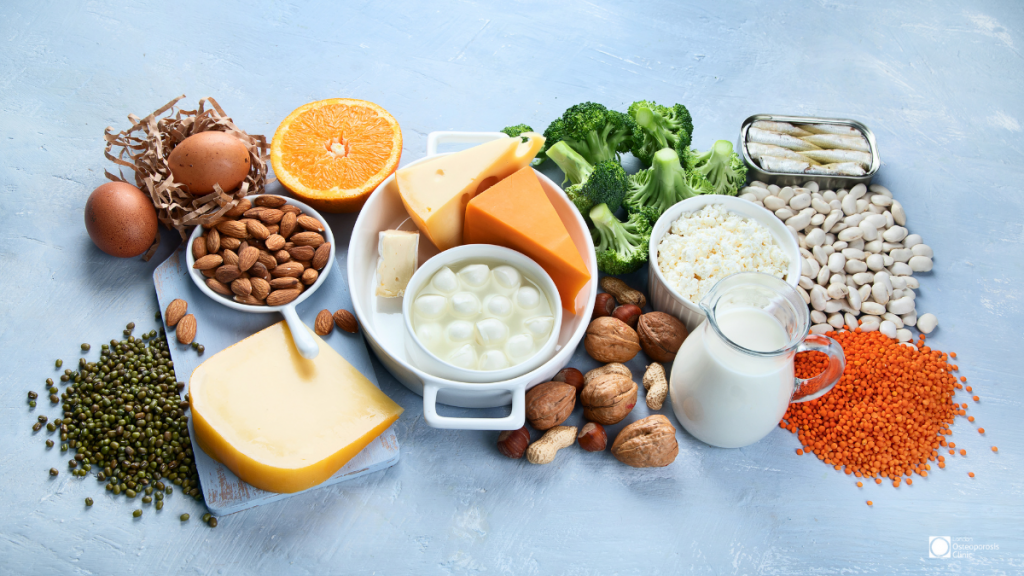
The nutritional conversation around bone health is often reduced to calcium and vitamin D. Both matter, but the picture is more complete and more interesting than that. The nutrients relevant to bone work in concert, and a diet that provides them in varied, whole-food form is consistently more effective than any single supplement protocol.
Calcium
Calcium is the primary mineral in bone. The body does not produce it; everything comes from diet. When dietary intake falls short, the body draws calcium from bone to maintain serum levels — a process that protects other functions in the short term but slowly depletes skeletal reserves over time. Dairy products are efficient sources, but they are not the only ones. Leafy greens such as kale and bok choy, tinned fish eaten with bones, fortified plant milks, almonds and tofu all contribute meaningfully. Adequate intake distributed across the day is more effective than a single large dose, which exceeds the gut’s absorption capacity.
Vitamin D
Vitamin D is the gatekeeper for calcium absorption. Without adequate vitamin D, the gut absorbs only a fraction of dietary calcium regardless of how much is consumed. In the UK, sunlight synthesis is insufficient for much of the year, and deficiency is significantly more common than most patients anticipate. Dietary sources — oily fish, egg yolks, fortified cereals — contribute, but supplementation is frequently necessary, particularly in autumn and winter. We measure vitamin D at consultation rather than assuming adequacy.
Vitamin K2
Vitamin K2 performs a function that is often overlooked: it activates osteocalcin, a protein that directs absorbed calcium into bone matrix rather than allowing it to accumulate in soft tissue and blood vessels. This makes K2 a functional partner to vitamin D and calcium, not merely an optional addition. Fermented foods, cheese and egg yolks are among the dietary sources; where dietary intake is low, supplementation alongside vitamin D is clinically reasonable.
Magnesium
Magnesium is required for the conversion of vitamin D into its active hormonal form. Without it, vitamin D supplementation has a reduced effect. Magnesium also contributes directly to the crystalline structure of bone mineral. Green vegetables, nuts, seeds and whole grains are the most useful dietary sources. Many patients in whom we identify low magnesium levels are eating diets high in processed food — the gap tends to close when diet improves, before supplementation is needed.
Protein
Protein forms approximately 30–50% of bone volume by mass, providing the collagen matrix on which mineral is deposited. Adequate protein intake is also essential for preserving the muscle mass that reduces fall risk — an indirect but important contribution to bone safety. Adults over 50 benefit from protein intake at the upper end of general recommendations, distributed across meals rather than concentrated at one sitting.
Pillar 2: Exercise — the mechanical signal
Bone responds to mechanical load. When forces are applied to bone — through impact, muscle contraction, or both — the tissue responds by signalling osteoblasts to increase bone formation. This is the fundamental mechanism behind exercise-based bone health strategies, and understanding it helps explain why not all exercise is equally useful.
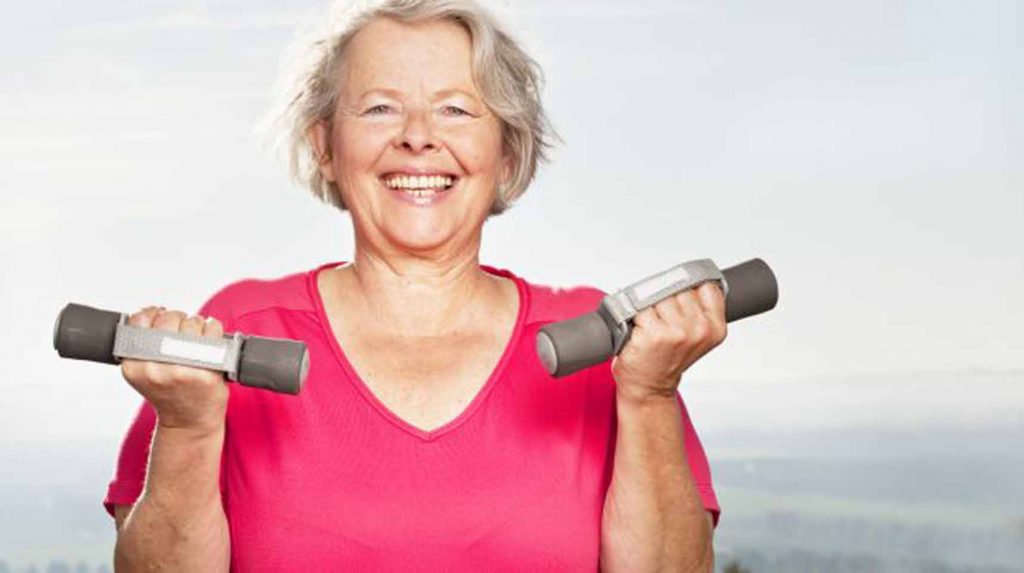
Weight-bearing exercise — walking, jogging, hiking, dancing, stair climbing — forces the skeleton to support body weight against gravity. With each step, ground reaction forces travel through the bones of the lower limb and spine, stimulating bone formation along those load paths. Swimming and cycling, while excellent for cardiovascular health, do not provide this stimulus in the same way because the body is supported or unloaded.
Resistance training — lifting weights, using resistance bands, performing bodyweight exercises such as squats and lunges — generates muscle forces that are transmitted directly to the bones the muscles attach to. These forces are often greater than those generated by impact alone, and they reach sites such as the hip and spine that are particularly relevant in osteoporosis. Resistance training also builds and preserves muscle mass, improving the balance and coordination that reduce fall risk.
The strongest evidence supports combining both types. Aim for weight-bearing activity on most days and structured resistance training at least twice per week. The specific programme matters less than consistency over time — bone responds to habitual load, not occasional effort. Patients who are new to resistance training, or who have existing osteoporosis or a history of fragility fracture, should begin with guidance from a physiotherapist or exercise specialist experienced in bone health.
Pillar 3: Fall prevention — a direct partner to bone resilience
Bone density and fall risk are two distinct but interacting factors in fracture risk. A fracture requires both a bone that is vulnerable and an impact that exceeds its strength. Addressing bone density through nutrition and exercise is important; so is reducing the likelihood of a fall in the first place. For older adults in particular, fall prevention deserves the same attention as bone-building.
Home environment. Many falls happen at home, often in familiar surroundings where hazards go unnoticed. Practical changes reduce risk significantly: removing loose rugs and floor clutter, ensuring corridors and staircases are adequately lit, fitting grab bars in bathrooms and near steps, and using non-slip mats in wet areas. These are simple to implement and disproportionately effective.
Balance and neuromuscular control. Balance deteriorates with age if it is not specifically practised. Pilates and Tai Chi both have a meaningful evidence base in fall prevention — they improve proprioception, core stability, and the reactive muscle responses that allow people to recover from a stumble before it becomes a fall. Yoga and single-leg balance exercises offer similar benefits. These practices complement resistance training rather than replacing it; each addresses a different aspect of physical resilience.
Medication review. Some medications increase fall risk — including sedatives, certain antihypertensives, and some antidepressants. Patients on multiple medications should discuss fall risk with their GP, particularly if they have had a previous fall or are already managing osteoporosis.
Pillar 4: Hidden risks — the quiet eroders
Some of the most consistent contributors to bone loss operate quietly and are not always recognised as bone-relevant. Three in particular deserve direct attention.
Tobacco. Smoking has a direct toxic effect on osteoblasts — the cells responsible for building new bone. It also impairs calcium absorption, reduces oestrogen levels in women (accelerating bone loss around and after menopause), and compromises blood supply to bone tissue. The effect is dose-dependent and begins accumulating early. Stopping smoking at any age benefits bone health, though the earlier the better.
Heavy alcohol consumption. Alcohol disrupts bone remodelling by suppressing osteoblast activity and impairing the liver’s ability to activate vitamin D. Heavy drinkers also tend to have poorer nutritional status, lower body weight, and increased fall risk due to impaired balance and coordination. Modest alcohol consumption carries a much smaller risk, but the threshold between moderate and heavy intake is lower than many people assume.
High salt intake. Excess dietary sodium increases the amount of calcium excreted through the kidneys. Over time, this creates a persistent drain on calcium stores that dietary intake must compensate for. Processed and ultra-processed foods are the primary source of hidden sodium in most diets — reducing them addresses both salt intake and overall nutritional quality simultaneously.
The habits described in this article — varied nutrition, consistent exercise, a safer home environment, and avoidance of the major bone-eroding exposures — make a genuine difference to long-term bone resilience. They are also the habits that make medical treatment, where it is needed, more effective. At the London Osteoporosis Clinic, we see them as the foundation on which everything else is built. They do not replace clinical assessment. Patients who have risk factors for osteoporosis, a family history of fragility fracture, or concerns about their bone density benefit from DXA scanning and a consultant review — not as a substitute for these habits, but alongside them. If you would like a personalised assessment, book a consultation or explore our care pathways.
Frequently asked questions
At what age should I start thinking seriously about bone health?
Bone density peaks in the late twenties and then gradually declines. The habits that matter most — adequate nutrition, weight-bearing exercise, avoidance of smoking and heavy alcohol — have their greatest impact when established early, but they remain relevant at every age. For women approaching or past menopause, and for men over 50, a formal bone health assessment is worth considering, particularly if other risk factors are present.
Is calcium supplementation necessary if I eat a varied diet?
For many people who eat a varied diet including dairy or calcium-rich alternatives, dietary calcium intake is sufficient without supplementation. However, total intake often falls below recommended levels — particularly in those avoiding dairy or eating heavily processed diets. If you are unsure, a dietary review at consultation is more informative than self-prescribing a supplement. Excessive calcium supplementation carries its own risks, including cardiovascular considerations, and should not be taken without an assessed need.
How do I know whether my bone health needs clinical attention?
A DXA scan is the most reliable way to measure bone mineral density and assess fracture risk. It is recommended for women over 65, post-menopausal women with risk factors, men over 70, and anyone who has experienced a fragility fracture. If you are unsure whether you need a scan, our team can advise based on your medical history and risk profile. Book a consultation to discuss.
Medically reviewed by Dr. Taher Mahmud, Consultant Rheumatologist and Co-Founder, London Osteoporosis Clinic. Dr. Mahmud has over 25 years of clinical experience in bone health and osteoporosis management.
This article is for informational purposes only and does not constitute medical advice. Always consult a qualified clinician before making significant changes to your diet or exercise routine, particularly if you have existing health conditions or a history of fracture.
References:
[1] NHS. Calcium. NHS.uk
[2] NHS. Exercise. NHS.uk

