
Key Takeaways:
• Daily Target: Most adults need 700mg of calcium daily; those with osteoporosis may need up to 1,200mg.
• Food First: Your body absorbs calcium from dairy, leafy greens, and sardines better than from pills.
• The “Vitamin D” Key: Calcium cannot build bone without sufficient Vitamin D to help absorb it.
• Safety Limit: Avoid exceeding 1,500mg from supplements to protect your kidneys and heart.
How Much Calcium Do You Really Need for Strong Bones?
For most healthy adults, the NHS recommends 700mg of calcium per day. However, if you have established osteoporosis or are post-menopausal, your clinician may recommend increasing this to 1,000–1,200mg.
Calcium is the physical “brick” of your bone structure. Since your body cannot produce it, you must absorb it from your diet. If your blood calcium levels drop, your body will steal calcium from your bones to keep your heart and nerves functioning—literally dissolving your skeleton to stay alive. This is why consistent daily intake is non-negotiable for fracture prevention.
Calculator: Am I Getting Enough?
Most people overestimate their intake. To get a precise number, we recommend the CGmo Calcium Calculator. It highlights hidden gaps in your diet.
What Are the Best Sources of Dietary Calcium?
You do not need to rely on dairy alone. A “bone-friendly” diet includes a variety of sources to ensure better absorption.
| Food Source | Serving Size | Approx. Calcium |
|---|---|---|
| Yogurt (Plain, Low Fat) | 150g | 200mg |
| Cheddar Cheese | 30g (Matchbox size) | 220mg |
| Sardines (with bones) | 100g | 460mg |
| Tofu (Calcium-set) | 100g | 510mg |
| Kale (Cooked) | 95g | 60mg |
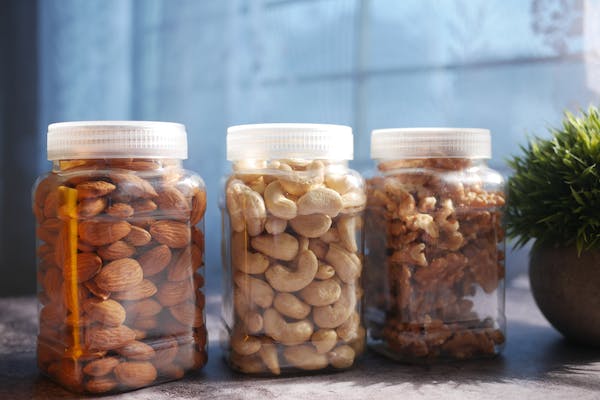
| Almonds | 25g (Small handful) | 60mg |
Should I Take Calcium Supplements?
“Food First” is the golden rule. Supplemental calcium (such as calcium carbonate or citrate) is generally reserved for patients who cannot meet their needs through diet alone. Recent studies suggest that high doses of calcium supplements (without Vitamin K2 or D) may settle in arteries rather than bones, potentially increasing cardiovascular risk.
If you must supplement, aim to “top up” your diet rather than replace it. For example, if you eat 500mg from food, take only a 500mg supplement to reach your 1,000mg goal.
Why Isn’t My Bone Density Improving Despite Calcium?
Calcium is useless without its partners. Vitamin D is the “key” that unlocks the door to let calcium into your blood. Vitamin K2 acts as the “traffic cop,” directing that calcium into the bone matrix and away from your organs.
If your DEXA scan shows declining bone density despite a high-calcium diet, you may have an absorption issue (like Coeliac disease) or a hormonal imbalance that requires investigation.
Conclusion: Build Your Reserves
Calculating your calcium intake is a simple, 5-minute task that protects your future mobility. Start by adding one high-calcium food to every meal—a yogurt at breakfast, leafy greens at lunch, or a glass of fortified milk at dinner.
Medically Reviewed by: Dr. Taher Mahmud, Consultant Rheumatologist

