
The Bottom Line: Dietary calcium is the physical building block of your skeleton, but simply eating calcium isn’t enough. Without the correct metabolic environment—including Vitamin D for absorption and Vitamin K2 for directing it into the bone matrix—calcium cannot effectively rebuild bone density. Understanding how to calculate your exact dietary intake allows you to optimize your nutrition before relying on potentially risky high-dose supplements.
Key Takeaways
- Daily Target: Most adults need 700mg of calcium daily; however, those with osteoporosis or post-menopausal women may require up to 1,000–1,200mg.
- Food First: Your body absorbs calcium from whole foods like dairy, low-oxalate leafy greens, and sardines significantly better than from isolated pills.
- The “Vitamin D” Key: Calcium is useless without Vitamin D, which acts as the “key” to absorb the mineral from your gut into your bloodstream.
- Safety Limit: Avoid exceeding 1,500mg from supplements, as excess isolated calcium is linked to cardiovascular calcification.
How Much Calcium Do You Really Need for Strong Bones?
For most healthy adults, the NHS recommends 700mg of calcium per day. However, if you have established osteoporosis, osteopenia, or are post-menopausal, your consultant may recommend increasing this target to 1,000–1,200mg daily.
Calcium is the physical “brick” of your bone structure. Since your body cannot produce it internally, you must absorb it exclusively from your diet. The body tightly regulates calcium levels in the blood to keep your heart beating and your nerves firing. If your dietary intake drops, the parathyroid glands release hormones that instruct your body to “steal” calcium from your bones to maintain blood levels—literally dissolving your skeleton to keep you alive. This is why consistent daily intake is clinically non-negotiable for fracture prevention.
Calculator: Am I Getting Enough?
Clinical experience shows that most people significantly overestimate their daily calcium intake. To get a precise, actionable number, we have built an interactive clinical tool. It highlights hidden gaps in your diet and tells you exactly how close you are to your daily target.
What Are the Best Sources of Dietary Calcium?
You do not need to rely on dairy alone. A “bone-friendly” diet includes a wide variety of bioavailable sources to ensure better systemic absorption.
| Food Source | Serving Size | Approx. Calcium |
|---|---|---|
| Yogurt (Plain, Low Fat) | 150g | 200mg |
| Cheddar Cheese | 30g (Matchbox size) | 220mg |
| Sardines (with bones) | 100g | 460mg |
| Tofu (Calcium-set) | 100g | 510mg |
| Kale (Cooked) | 95g | 60mg |
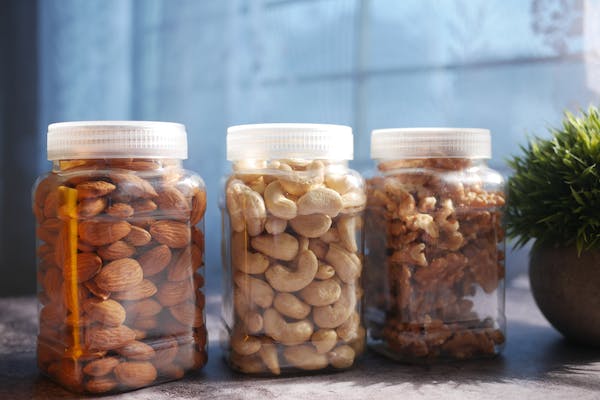
| Almonds | 25g (Small handful) | 60mg |
Note: Values are approximate. Check labels on plant-based milk for “fortified” status.
“Patients often rush to buy the highest-dose calcium supplement they can find after a diagnosis. We strongly caution against this. ‘Food First’ is the golden rule. When you extract a mineral from its natural food matrix and take it as a pill, the body processes it differently. High-dose calcium supplements, especially without Vitamin K2, can settle in the arteries rather than the bones, increasing cardiovascular risk.”
— Dr. Taher Mahmud
Why Isn’t My Bone Density Improving Despite Calcium?
Calcium is entirely useless without its biochemical partners. Vitamin D is the “key” that unlocks the door to let calcium absorb from your gut into your bloodstream. Vitamin K2 acts as the “traffic cop,” directing that calcium out of your arteries and depositing it safely into the bone matrix.
If your DEXA scan shows declining bone density despite a high-calcium diet, you may have an absorption issue (such as undiagnosed Coeliac disease), a lack of Type I Collagen to hold the minerals, or a hormonal imbalance that requires specialist investigation.
Conclusion: Build Your Reserves
Calculating your calcium intake is a simple task that protects your future mobility. Start by adding one bioavailable high-calcium food to every meal—a fortified yogurt at breakfast, leafy greens at lunch, or a glass of fortified milk at dinner.

