
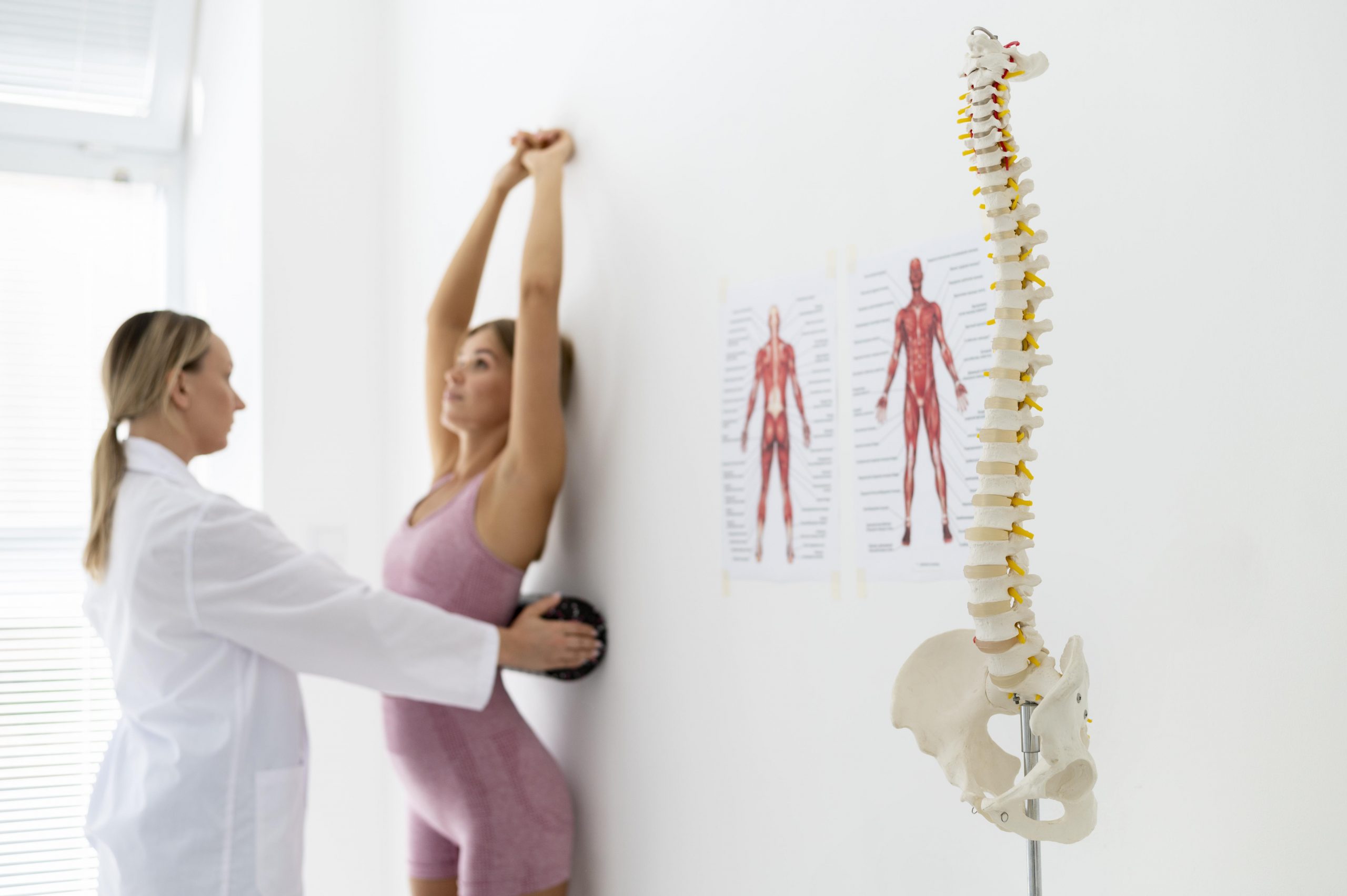
Introduction: Why Spinal Compression Fractures Matter
Most people think of fractures as injuries that only happen after a fall or accident. But for thousands of UK patients every year — especially those with low bone density — spinal compression fractures occur without dramatic trauma, often after a simple bend or sneeze.
I still remember Mrs R, a 68-year-old patient who came to clinic saying her back “just started aching” after gardening. Within weeks she had lost an inch in height and developed a stooped posture. A scan revealed several vertebral compression fractures (VCFs) — painful, destabilising breaks that can have long-term consequences if unrecognised.
At the London Osteoporosis Clinic, we see how hidden spinal fractures undermine quality of life, mobility and overall health. This article explains what spinal compression fractures are, how to spot them early, and provides a practical bone health checklist to help you take proactive steps — whether you’re at risk or supporting someone you care about.
What Is a Spinal Compression Fracture?

A spinal compression fracture occurs when a vertebra — one of the small bones of the spine — collapses or is crushed. Instead of maintaining its normal rectangular shape, the bone becomes wedged or shorter in height. These fractures most commonly occur in the thoracic (mid-back) and upper lumbar (lower back) regions.
Why They Happen
While severe trauma (e.g. a car accident or fall from height) can cause vertebral fractures in anyone, in clinical practice the most common cause in older adults is structural bone weakness due to osteoporosis. In osteoporosis, bone becomes less dense and more brittle, so even normal daily activities (lifting, bending, coughing) can cause a vertebra to fracture.
Spinal compression fractures are especially common in:
- Post-menopausal women
- People aged 65+
- Those with long-term steroid use
- Individuals with secondary osteoporosis (e.g. rheumatoid arthritis, endocrine disorders)
(For a deeper dive on these risk groups, see our article on secondary osteoporosis causes.)
Symptoms: What to Look For
One reason spinal compression fractures are frequently missed is that symptoms can be subtle or attributed to “just ageing”. However, early detection is critical.
Common Clinical Signs
- Sudden onset of back pain — often sharp and localised
- Pain that worsens with standing or walking and improves with rest
- Height loss (even 1–2cm)
- Stooped posture (kyphosis) or “dowager’s hump”
- Reduced mobility and activity avoidance
- Pain that radiates around the rib cage or abdomen
Words Patients Often Use
“It feels like a bruise that won’t go away.”
“My back just gave way when I bent over.”
“I thought it was muscle strain at first.”
If you experience any of these, particularly after minimal trauma or daily activity, it is important to seek assessment.
Diagnosis: Beyond Pain, Into Precision
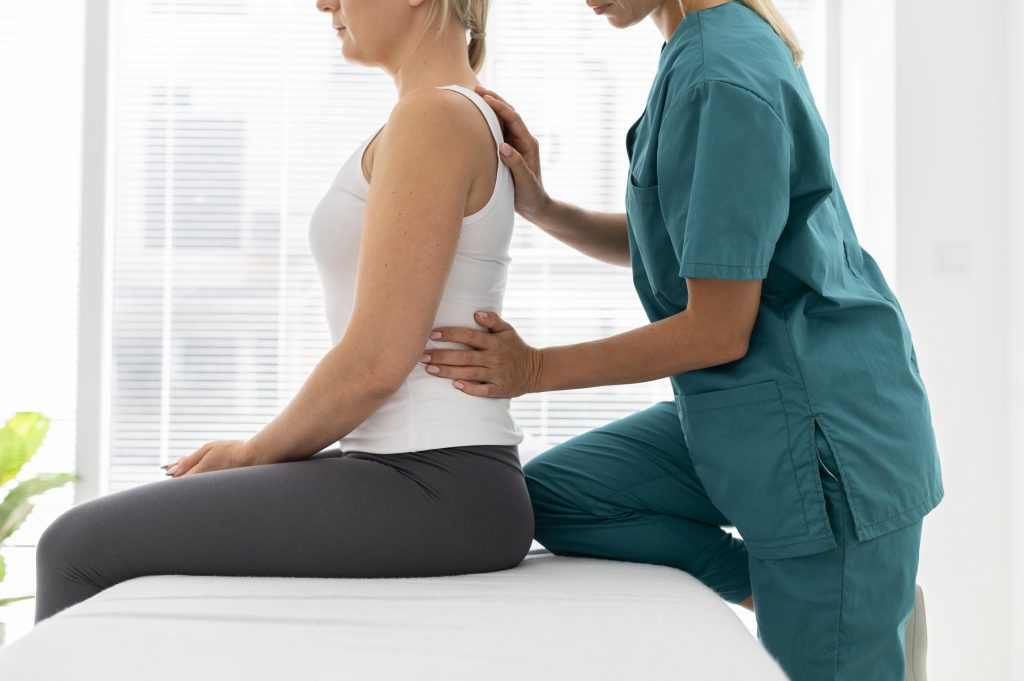
Clinical Assessment
A thorough history and physical examination are the first steps. Key clues include:
- Recent height loss
- Postural change
- Neurological symptoms (e.g. numbness, weakness)
Imaging Tests
Diagnosis is confirmed through imaging:
- X-rays can show vertebral collapse
- MRI or CT scans provide detailed bone and soft tissue assessment
- DEXA (bone density) scans measure bone density to assess osteoporosis risk
DEXA scans are the gold standard for quantifying bone mineral density and are recommended for anyone over 65 (women) or 70 (men), or younger adults with risk factors.
External link placement: For UK guidance on osteoporosis and fracture risk, the NHS provides patient-friendly information on osteoporosis testing and prevention: https://www.nhs.uk/conditions/osteoporosis/
Treatment: Pain Relief, Stabilisation and Strengthening
Acute Pain Management
Immediate treatment focuses on pain control and safe mobilisation:
- Short-term analgesics or anti-inflammatory medications
- Physiotherapy to support posture and movement
- Bracing in selected cases to reduce pain and provide support
Vertebral Augmentation
In persistent pain unresponsive to conservative therapies, procedures like:
- Vertebroplasty
- Kyphoplasty
may be considered. These involve minimally invasive techniques to stabilise the fractured vertebra.
Addressing the Underlying Bone Weakness
Because most spinal compression fractures in older adults arise from osteoporosis, long-term management includes:
- Bone-strengthening medications (e.g. bisphosphonates, denosumab, anabolic agents)
- Calcium & vitamin D optimisation
- Targeted exercise programmes to improve balance, strength and reduce falls risk
(For evidence-based exercise guidance, see our article on “Best Exercises for Bone Strength”.)
Complications: Why Early Detection Matters
Left untreated, compression fractures can lead to:
- Chronic pain
- Progressive spinal deformity
- Reduced lung capacity (due to kyphosis)
- Higher risk of subsequent fractures
- Loss of independence
Studies show that people with a vertebral fracture have a significantly increased risk of future fractures if not identified and treated promptly. Early detection allows targeted prevention — making a real difference in long-term outcomes.
Spinal Compression Fracture Checklist
Use this checklist to evaluate your risk and determine if you should seek further assessment:
🦴 Risk Factors
- Aged 65+ (women) or 70+ (men)
- History of fragility fracture
- Long-term steroid use (≥3 months)
- Early menopause or hormonal disorders
- Secondary causes of osteoporosis (e.g. RA, thyroid issues)
💡 Symptoms to Watch For
- Sudden or persistent back pain
- Height loss >2cm
- New stooped posture
- Pain that worsens with activity
📍 Lifestyle & Health Markers
- Low body mass index (BMI <18.5)
- Poor dietary intake (low calcium/vitamin D)
- Smoking or excessive alcohol use
- Sedentary lifestyle
📆 Assessment Actions
- Book a DEXA scan to assess bone density
- Have spinal imaging if back pain is severe or persistent
- Review medications that affect bone health
- Discuss fracture prevention strategy with your clinician
When to Seek Immediate Help
Seek urgent medical attention if you experience:
- Loss of bladder or bowel control
- Progressive lower limb weakness
- Numbness in legs or feet
- Severe, unrelenting pain that doesn’t improve with rest
These may suggest nerve compression or spinal cord involvement.
Prevention: A Holistic, Evidence-Based Approach
Nutrition & Supplements
Ensure:
- Adequate calcium intake (diet + supplementation if needed)
- Optimal vitamin D levels (through sunlight or supplementation)
- Balanced protein intake to support musculoskeletal health
Exercise
Evidence shows that specific exercise types are beneficial:
- Weight-bearing impact activities
- Resistance training
- Balance and gait training
(See our exercise guide tailored for bone health.)
Lifestyle
- Stop smoking
- Limit alcohol intake
- Fall-proof your home environment
Conclusion: Act Early, Stay Strong
Spinal compression fractures are a serious but often under-recognised consequence of osteoporosis and skeletal weakness. Early detection — through awareness, screening and appropriate imaging — empowers you to protect your spine, preserve posture, and maintain independence.
If you’re concerned about back pain, height loss or fracture risk, the bone health checklist above offers a practical starting point. The best outcomes start with early discussion, assessment and personalised care.
👉 Ready to assess your bone health?
📍 Book a bone health consultation and DEXA scan at London Osteoporosis Clinic — our specialist team will personalise your prevention and treatment plan.

