
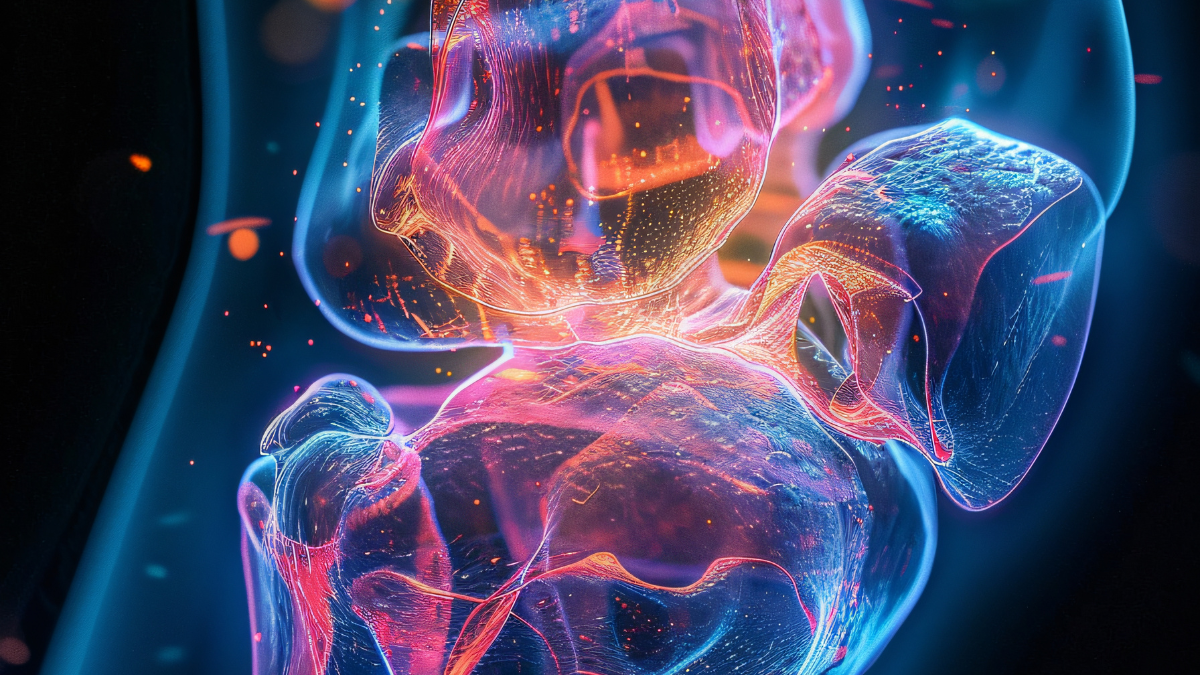
Bones are not the dry, static structures of textbooks; they are metabolically active organs containing the marrow in which bone is built and broken down throughout life. The cells that make this decision — to become bone-building osteoblasts or to become fat — sit at a biological crossroads governed by hormonal, nutritional and inflammatory signals. Understanding that environment is what makes the difference between simply documenting bone loss on a scan and actually reversing it.
- Marrow dictates bone health: Mesenchymal stem cells in your marrow constantly decide whether to become bone-building osteoblasts or fat cells.
- The internal environment matters: Hormones, physical activity, and adequate protein are the primary signals that direct stem cells to build bone rather than fat.
- The gut–bone axis: The health of your digestive microbiome directly impacts the inflammatory and nutritional signals reaching your bone marrow.
- Treat the system, not just the scan: A DEXA scan shows the current structure, but clinical management must focus on optimising the biological environment where bone is formed.
When the Marrow Chooses Fat Over Bone
At the core of every bone lies the marrow — a specialised biological environment that does far more than produce blood cells. It is home to mesenchymal stem cells: versatile, responsive cells that sit at a biological crossroads. Depending on the signals they receive from the surrounding environment, they can develop along one of two very different paths. They can become osteoblasts, the cells responsible for forming and reinforcing new bone. Or they can become adipocytes — fat cells deposited within the marrow itself.
In a healthy biological environment, this decision tilts reliably towards bone formation. But when the internal environment shifts — as it often does with age, hormonal change, or metabolic disruption — the balance can tip in the other direction. Stem cells begin to favour fat over bone, a process known as bone marrow adiposity.
This is the finding that reframes everything. Because the skeleton can appear structurally intact on a scan while quietly losing the biological capacity to maintain itself. The architecture is still standing; the workforce building it has simply gone elsewhere.
The Internal Environment Is Everything
For decades, public conversations about bone health revolved around calcium. Calcium remains important — but it is one component of a far more complex system, and focusing on it alone is rather like judging the health of a construction site by counting the bricks.
Bone strength is determined by the quality of the internal environment in which bone is formed. Several interlocking systems govern this:
Hormonal regulation is perhaps the most powerful lever. Oestrogen, testosterone, parathyroid hormone, and vitamin D all influence the balance between bone formation and bone breakdown. The sharp decline in oestrogen at menopause is one reason why bone loss can accelerate so significantly in that window — not because the skeleton has suddenly aged, but because a critical biological signal has been withdrawn.
Nutrition provides the raw materials. Protein is not simply fuel for muscles; it forms the collagen matrix upon which minerals, including calcium, are deposited. Without adequate protein, that scaffolding weakens regardless of how much calcium is consumed.
Chronic low-grade inflammation alters signalling pathways within the marrow itself, influencing the very stem cell decisions described above. Metabolic imbalance — insulin resistance, visceral adiposity, poor glycaemic control — does not merely sit alongside bone disease; it may actively contribute to it.
Physical activity remains one of the most powerful natural signals for bone formation. Mechanical loading — particularly weight-bearing exercise and resistance training — tells the skeleton, in the most direct biological language available, that structural strength is required and should be maintained.
The Gut You Hadn’t Expected
One of the more surprising frontiers in skeletal biology is the gut–bone axis: the emerging evidence that the health of your digestive microbiome has measurable implications for your bones.
The gut microbiome influences nutrient absorption, inflammatory signalling, vitamin synthesis, and aspects of hormonal regulation — all of which feed directly into the biological environment governing bone formation. When the gut environment is disturbed, the downstream signals reaching the marrow may shift accordingly. The research is still developing, but the direction is clear: bone health does not live in isolation. It reflects the condition of the wider biological systems surrounding it.
“Patients often ask about the benefits of bone marrow or if bone marrow is high in cholesterol. While dietary marrow is nutrient-dense, the real focus must be on the marrow already inside your own bones. If your internal environment is inflamed or hormonally depleted, your stem cells will turn into fat instead of bone. We don’t just want to stop bone loss; we want to instruct your marrow to start building again.”
— Dr. Taher Mahmud
Why No Superfood Can Do What a System Can
The persistence of “superfood” narratives in nutrition is understandable — people want simple, actionable answers. But bone strength emerges from the interaction of metabolic health, hormonal balance, physical activity, nutritional adequacy, genetic background, and the biological changes of ageing. No single food operates across all of those domains simultaneously, and none can substitute for the conditions under which bone is actually formed and maintained.
This is not a counsel of complexity for its own sake. It is the reason that clinical management of osteoporosis, done well, looks nothing like a supplement protocol — and everything like a systematic assessment of the biological environment.
Treating the System, Not the Scan
At the London Osteoporosis Clinic, this is precisely the philosophy that guides our approach. A DEXA result tells you where the skeleton stands today. Understanding the internal environment — the hormonal, metabolic, nutritional, and inflammatory landscape in which your bone is being formed or lost — tells you where it is heading, and what can be done about it.
Assessment at the Clinic extends beyond bone density measurements to consider the full biological picture. Management is built around optimising the conditions in which bone is formed: hormonal status, nutritional adequacy, structured physical activity, investigation of underlying metabolic or endocrine drivers, and medical therapy where clinically appropriate.
The goal is not to treat a number. It is to restore the biological environment in which your skeleton can maintain itself.
Frequently Asked Questions
Is bone marrow good for you to eat?
Yes, consuming bone marrow provides a concentrated source of calories, healthy fats, and collagen. While it is highly nutritious and supports joint health, it is not a direct cure for osteoporosis. Bone health requires a comprehensive approach to your body’s entire metabolic system.
Is bone marrow high in cholesterol?
Yes, dietary bone marrow is relatively high in cholesterol and saturated fat. However, for most individuals, dietary cholesterol has a minimal impact on blood cholesterol levels. If you have cardiovascular concerns, it should be consumed in moderation as part of a balanced clinical nutrition plan.
How do I stop my bone marrow from turning into fat?
Bone marrow adiposity is driven by ageing, lack of oestrogen, and physical inactivity. The most effective ways to direct stem cells towards bone rather than fat are heavy resistance training and optimising your hormonal balance — often through HRT or specific medications under clinical supervision.
Medically reviewed by Dr. Taher Mahmud, Consultant Rheumatologist and Co-Founder, London Osteoporosis Clinic. Dr. Mahmud has over 25 years of clinical experience in bone health and osteoporosis management.
This article is intended for general educational purposes. It does not constitute medical advice or replace individual clinical assessment.
For further assessment or personalised guidance, please visit www.LondonOsteoporosisClinic.com.

