

Most aches and pains are not caused by serious illness. However, when pain and stiffness develop suddenly, particularly in the shoulders and hips, it may be a sign of polymyalgia rheumatica (PMR) rather than simply “getting older”. PMR is highly treatable, but early recognition is key to avoiding months of unnecessary suffering and potential complications.
Key Takeaways
- PMR causes sudden-onset pain and morning stiffness in shoulders, hips, and neck—not typical age-related aches
- It primarily affects people over 50 and is one of the most treatable rheumatological conditions
- Some people with PMR also develop giant cell arteritis (GCA), which requires urgent assessment to protect vision
- Warning signs of GCA include severe headaches, jaw pain, scalp tenderness, and vision changes
- Early diagnosis and treatment can restore quality of life within days to weeks
What Is Polymyalgia Rheumatica?
Polymyalgia rheumatica is an inflammatory condition that affects the muscles and connective tissues around major joints. The name itself tells you what’s happening: “polymyalgia” means multiple muscle pains, and “rheumatica” refers to inflammation. It’s a systemic condition—meaning it affects the whole body—rather than arthritis in the joints themselves.
PMR is more common than many people realize. Among systemic rheumatic diseases, it is the second most common, after rheumatoid arthritis. It predominantly affects people over the age of 50 and becomes increasingly common with advancing age, with the majority of diagnoses occurring in people between 70 and 80. Women are affected more frequently than men, and it is more prevalent in Caucasian populations, though the lifetime risk remains relatively high across all groups.
Common Symptoms of PMR

PMR typically develops over days or weeks—sometimes even overnight. Patients often describe feeling as though they have “aged overnight”. The classic presentation includes:
- Pain and stiffness affecting both shoulders – usually symmetric (both sides equally)
- Pain or stiffness around the hips, neck, or upper arms – the “girdle” areas that anchor your limbs
- Morning stiffness lasting more than 45 minutes – worse when waking, gradually improving through the day
- Difficulty with daily activities – getting out of bed, standing from a chair, lifting arms, dressing, or reaching
- Systemic symptoms – fatigue, loss of appetite, unintentional weight loss, or feeling generally unwell
- Low-grade fever – sometimes present
Many patients struggle with simple tasks: putting on a shirt, washing their hair, getting in or out of a car, or going up stairs. The impact on quality of life can be profound—but the good news is that PMR responds dramatically to appropriate treatment.
Why Early Recognition Matters
PMR is one of the most treatable inflammatory rheumatological conditions. With correct diagnosis and appropriate corticosteroid treatment, patients often experience dramatic improvement within days. Many describe “getting their life back” within a week or two.
Early recognition and diagnosis matter for several critical reasons:
- Rapid symptom relief: Appropriate treatment works quickly, reducing unnecessary suffering
- Prevention of complications: Allows timely monitoring for giant cell arteritis (GCA)
- Reduced disability: Early intervention prevents prolonged loss of function and confidence
- Better outcomes: Patients treated promptly tend to have better long-term outcomes
- Avoiding misdiagnosis: Delays in diagnosis often lead to unnecessary investigations and false treatments
Unfortunately, PMR is sometimes overlooked because its symptoms resemble arthritis or are attributed to “getting older”. This delay can mean months of unnecessary pain and functional decline.
The Giant Cell Arteritis (GCA) Connection
One critical reason for prompt medical assessment is that approximately 10-20% of people with PMR also develop giant cell arteritis (GCA), also known as temporal arteritis. This is an inflammation of blood vessels in the neck, head, scalp, and arms that can have serious consequences if left untreated.
GCA can threaten your vision if not detected and treated urgently. It can cause blindness by reducing blood flow to the optic nerve, and this vision loss can be permanent if treatment is delayed.
Urgent Warning Signs of GCA
Seek immediate medical attention if you develop any of these symptoms, especially if you have PMR:
- A new, severe headache – especially if it’s different from any headache you’ve had before
- Pain in the jaw when chewing – a classic warning sign
- Scalp tenderness – pain when touching your scalp or brushing your hair
- Double vision or vision loss – even if temporary
- Eye pain or vision changes – blurred vision, dimming
- Muscle weakness – sudden weakness in arms or legs
If you experience any of these symptoms, do not wait for your scheduled appointment. Contact your GP urgently or attend an emergency department. Vision-threatening complications require prompt diagnosis and high-dose corticosteroid treatment to prevent permanent damage.
How PMR Is Diagnosed
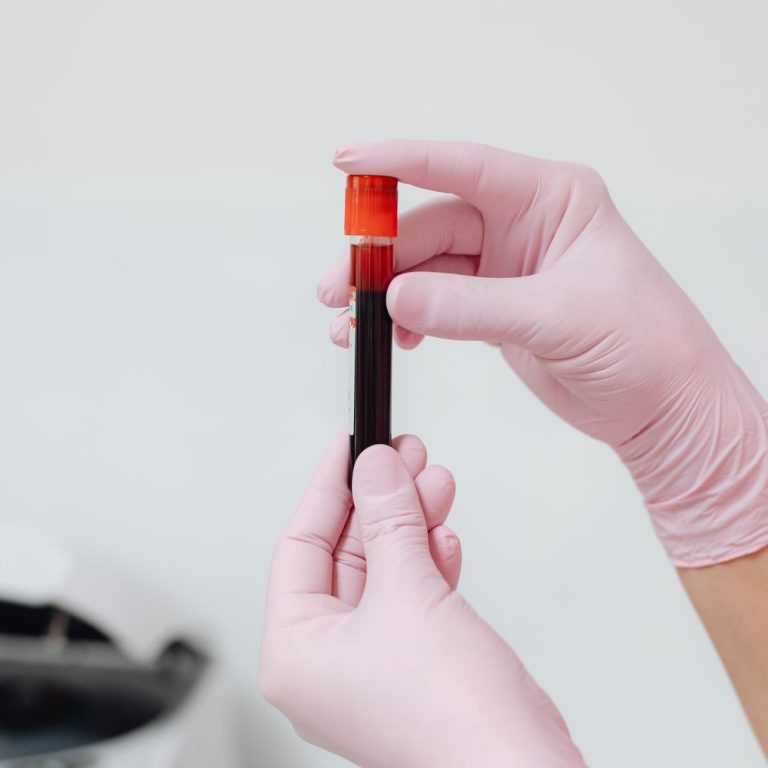
Diagnosis is based on a combination of clinical presentation, blood tests, and examination. Your doctor will look for:
- The classic pattern of symptoms (bilateral shoulder and hip pain, morning stiffness)
- Elevated inflammatory markers in blood (ESR—erythrocyte sedimentation rate, and CRP—C-reactive protein)
- Age over 50
- Rapid symptom improvement with low-dose corticosteroids (this is both diagnostic and therapeutic)
Imaging (ultrasound or MRI) may be used to support diagnosis, but the clinical picture is most important. Blood work helps confirm inflammation, but absence of elevated markers doesn’t rule out PMR.
Treatment and Management
PMR is typically managed with corticosteroids, most commonly prednisolone. The dose is usually started low and adjusted based on response. Most patients begin on a dose that rapidly controls symptoms, then the dose is gradually reduced over months. The goal is to use the lowest effective dose to minimize side effects while maintaining symptom control.
Treatment success is often dramatic—many patients report significant improvement within 3-7 days of starting corticosteroids. This rapid response to steroids can actually be diagnostic: if a patient with suspected PMR does not improve on steroids, the diagnosis should be reconsidered.
During treatment, your doctor will monitor you for side effects of long-term steroids and assess for the development of GCA through regular clinical review and sometimes imaging.
The patients we see with PMR have often spent months being told their stiffness is simply age. It is not, and the difference treatment makes is usually obvious within days. The part that gets less attention is what comes next: PMR is treated with corticosteroids, often for a year or more, and long-term steroid use is itself one of the clearest causes of bone loss. Anyone starting steroids for PMR should have their bone health assessed at the same time, not years later. We cover this in our guide to steroid-induced osteoporosis and in PMR and bone loss. If you are experiencing sudden shoulder or hip stiffness, or have been started on steroids, book an assessment and we will look at both together within a structured care pathway.
Frequently Asked Questions
Is PMR the same as rheumatoid arthritis?
No. PMR is an inflammatory condition affecting muscles and soft tissues, while rheumatoid arthritis is a joint disease. However, they can coexist in some cases. PMR tends to respond very rapidly to low-dose corticosteroids, while RA typically requires different management approaches.
Can PMR go away on its own?
Without treatment, PMR does not typically resolve quickly and can persist for years, causing ongoing disability. However, with appropriate corticosteroid treatment, most patients experience complete remission. Some people eventually taper off steroids, though others require long-term low-dose treatment.
What’s the difference between PMR and regular shoulder pain?
PMR causes bilateral (both-sided) shoulder and hip pain that develops suddenly, is worse in the morning, lasts more than 45 minutes, and is accompanied by systemic symptoms like fatigue. Regular shoulder pain is usually one-sided, mechanical (activity-related), and improves quickly with rest.
If I have PMR, will I definitely develop GCA?
No. About 10-20% of people with PMR develop GCA, and some people have GCA without PMR. However, because GCA can threaten vision, everyone with PMR requires monitoring for warning signs. Regular clinical review and immediate reporting of new symptoms ensures timely diagnosis if GCA develops.
How long does PMR treatment take?
Most people respond within days to weeks of starting treatment. Complete remission usually occurs within months to a few years. The time needed to taper off steroids varies—some patients can stop within 1-2 years, while others require longer-term low-dose treatment. Your doctor will guide this process based on your response.
The Bigger Picture
Not every ache is simply part of ageing. Recognizing patterns of symptoms is an important part of good healthcare. When pain and stiffness develop suddenly, particularly in the characteristic “girdle” distribution with prolonged morning stiffness, PMR should be considered and investigated promptly.
Early diagnosis allows effective treatment to begin sooner, reduces unnecessary suffering, and helps people regain confidence in their daily lives. At the London Osteoporosis Clinic, we believe that understanding your symptoms is the first step towards preserving health, independence, and long-term capability.
If you’re experiencing sudden-onset shoulder or hip pain with morning stiffness, particularly if you’re over 50, do not simply accept it as normal ageing. Seek medical assessment—the relief and improvement you can experience with appropriate treatment is often remarkable.
Medically reviewed by Dr. Taher Mahmud, Consultant Rheumatologist and Co-Founder, London Osteoporosis Clinic. Dr. Mahmud has over 25 years of clinical experience in rheumatology, bone health and osteoporosis management.
Disclaimer: This article is for general information only and should not replace medical assessment or professional medical advice. If you develop persistent shoulder or hip pain with prolonged morning stiffness, or any symptoms suggestive of giant cell arteritis (headache, jaw pain, vision changes, scalp tenderness), seek prompt medical advice from your GP or a rheumatologist. Diagnosis of PMR requires clinical assessment, blood tests, and sometimes imaging. Treatment decisions should always be made in consultation with a qualified healthcare professional who knows your full medical history.
References
- NICE Guidelines. Polymyalgia rheumatica and giant cell arteritis: management (NG79). Published 2020.
- Proven A, et al. European League Against Rheumatism/American College of Rheumatology classification criteria for giant cell arteritis and takayasu arteritis: 2022 update. Ann Rheum Dis. 2023;82(1):38-45.
- Slart RHJA, et al. FDG-PET/CT guidelines for fever of unknown origin and inflammation of unknown origin. Eur J Nucl Med Mol Imaging. 2023;50(6):1887-1902.
- Weyand CM, Goronzy JJ. The pathogenic architecture of giant cell arteritis. Curr Opin Rheumatol. 2021;33(1):39-45.
- Salvarani C, Cantini F, Boiardi L. Polymyalgia rheumatica. Lancet. 2021;397(10282):1547-1558.
- Dejaco C, et al. EULAR recommendations for the management of polymyalgia rheumatica: 2015 update. Ann Rheum Dis. 2015;74(10):1799-1807.

