Key Takeaways
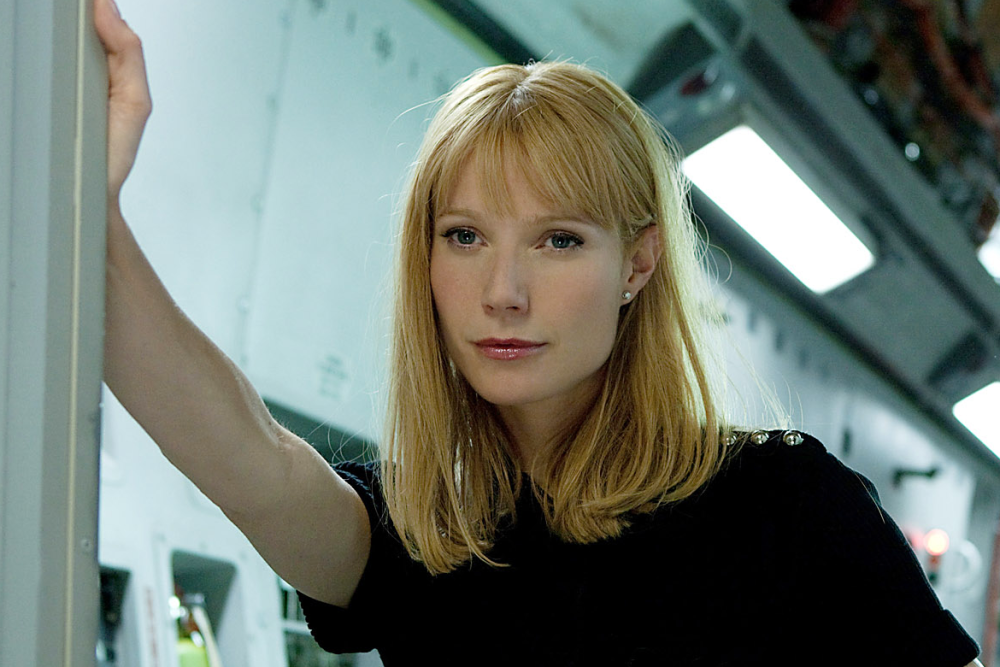
- It Can Happen Early: Gwyneth Paltrow was diagnosed with osteopenia (the precursor to osteoporosis) at just 37 years old, proving bone loss isn’t just an “old age” issue.
- Lifestyle Matters: While some of her “wellness” advice is controversial, her focus on whole foods and reducing inflammation aligns with bone-healthy principles.
- The Vitamin D Factor: Paltrow discovered dangerously low Vitamin D levels, a common and correctable risk factor for bone loss.
- Actionable Step: If you are over 40 or have risk factors like early menopause, a DEXA scan is the only way to know your true bone status.
Can a wellness icon have weak bones? The answer is yes. When Gwyneth Paltrow revealed her diagnosis of osteopenia—a condition of lower-than-average bone density—at the age of 37, it sent a shockwave through the health community. It highlighted a critical truth: looking healthy on the outside doesn’t guarantee strong bones on the inside.
At the London Osteoporosis Clinic, we often see patients who, like Gwyneth, are health-conscious but unaware of their skeletal risks. Her story offers valuable lessons (and a few cautionary tales) for women navigating bone health in their 40s and beyond.
The Diagnosis: Osteopenia at 37
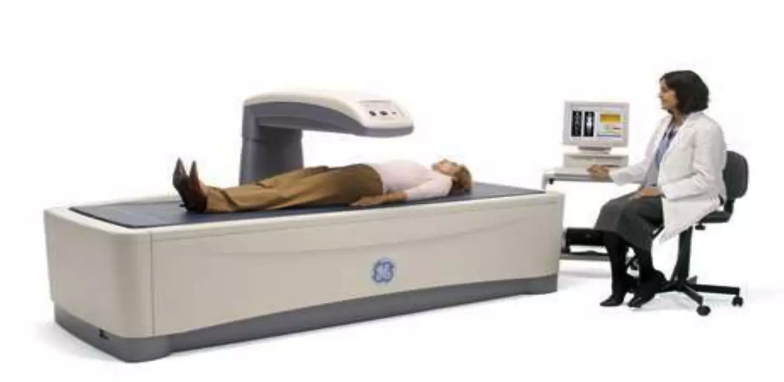
In 2010, after suffering a tibial plateau fracture (a break in the lower leg), Paltrow underwent a bone density scan (DEXA). The results were unexpected for a woman known for her strict health regimen: she had the bone density of a post-menopausal woman, despite being in her 30s. Her doctors cited dangerously low Vitamin D levels as a key contributor.
The “Goop” Approach: Fact vs. Fiction for Bones
Paltrow is famous for her lifestyle brand, Goop, which often promotes alternative therapies. How does her regimen stack up against medical evidence for bone health?
1. Bone Broth & Paleo Diets (Verdict: Mostly Positive)
Paltrow famously advocates for bone broth. From a clinical perspective, bone broth is a source of collagen and amino acids like glycine, which are essential for the bone matrix. A diet rich in lean protein and whole foods (Paleo-style) generally supports musculoskeletal health, provided it includes sufficient calcium.
2. Severe Calorie Restriction (Verdict: High Risk)
However, extreme “detoxes” or very low-calorie diets can be harmful. Rapid weight loss and low body mass index (BMI) are significant risk factors for osteoporosis. Bones need energy and mechanical load to maintain their density.
3. Sun Exposure & Vitamin D (Verdict: Essential)
Following her diagnosis, Paltrow was prescribed high-dose prescription Vitamin D and advised to spend time in the sun. This aligns perfectly with medical guidance. Vitamin D is the “key” that unlocks calcium absorption in the gut. Without it, your bones starve.
(Read more: Vitamin D and Your Bones: Understanding Levels, Units, and Lifelong Benefits)
The Early Menopause Connection
Another factor in Paltrow’s story is the role of hormonal changes. She has spoken openly about entering perimenopause in her 40s. Estrogen is a protective hormone for bones; when levels fluctuate or drop during perimenopause and menopause, bone loss accelerates.
Women who experience early menopause (before age 45) are at significantly higher risk and may need hormone replacement therapy (HRT) or other interventions to protect their skeleton.
What You Can Do: A Checklist for Women 40+
You don’t need a celebrity budget to protect your bones. Take these evidence-based steps:
- Get Tested: Don’t wait for a fracture. If you have risk factors (family history, low weight, steroid use), request a DEXA scan.
- Lift Heavy Things: Yoga and Pilates are great, but weight-bearing and resistance exercises are superior for stimulating bone growth.
- Check Your Levels: A simple blood test can reveal your Vitamin D status. Aim for optimal levels (above 75 nmol/L), not just “sufficient.”
- Nourish, Don’t Deprive: Focus on nutrient density. Ensure you are getting enough protein, calcium, and magnesium. See our Lifetime Blueprint for Bone Health for a complete nutritional guide.
The LOC View
Gwyneth Paltrow’s story serves as a powerful reminder: osteoporosis is not inevitable, but it is silent. Her proactive approach to diagnosis—getting scanned after a fracture—likely saved her from more severe issues down the line.
We encourage all women to be their own health advocates. If you are concerned about your bone health, fatigue, or potential vitamin deficiencies, speak to a specialist today.
Disclaimer: This article analyzes public health stories for educational purposes. It does not constitute an endorsement of all Goop products or therapies. Always consult a medical professional for personalized advice.

