
The Longevity Show 2026 brought together clinicians, researchers, entrepreneurs and members of the public around a shared interest in healthier, longer lives. Dr Taher Mahmud came away with a different question to the one most people were asking.
- Longevity means different things to different people — for some it is about optimisation, for others something simpler and more universal
- Stewardship asks a different question: not “How can I live longer?” but “How can I look after the health entrusted to me?”
- The greatest gains in health are unlikely to come from complex testing — they will come from helping people build consistent everyday habits
- The field is maturing from “Can we extend healthspan?” to “How do we make healthier living achievable for everyone?”
- Success may not be measured by how many years we add to life, but by how much life remains in those years
Yesterday I spent the day at The Longevity Show in London.
With around 3,500 attendees, it brought together clinicians, researchers, entrepreneurs, technology companies and members of the public who all share an interest in living healthier, longer lives. It was well organised, welcoming and, importantly, attracted people who were genuinely curious rather than simply chasing the latest trend.

One Thing That Struck Me
One thing struck me throughout the day.
The word longevity means different things to different people.
For some, it is about sophisticated diagnostics, wearables, biomarkers and optimisation. There is certainly a place for innovation, and many exciting developments were on display.
Yet I left wondering whether there is an even simpler and more universal way of thinking.
Perhaps the Goal Is Not Longevity
Perhaps the goal is not longevity.
Perhaps the goal is stewardship.
Stewardship asks a different question.
Rather than asking, “How can I live longer?” it asks, “How can I look after the health and capability entrusted to me — and help others do the same?”
That shifts the emphasis.
From optimisation to responsibility.
From data to understanding.
From individuals to families.
From treatment to prevention.
The Habits That Actually Matter
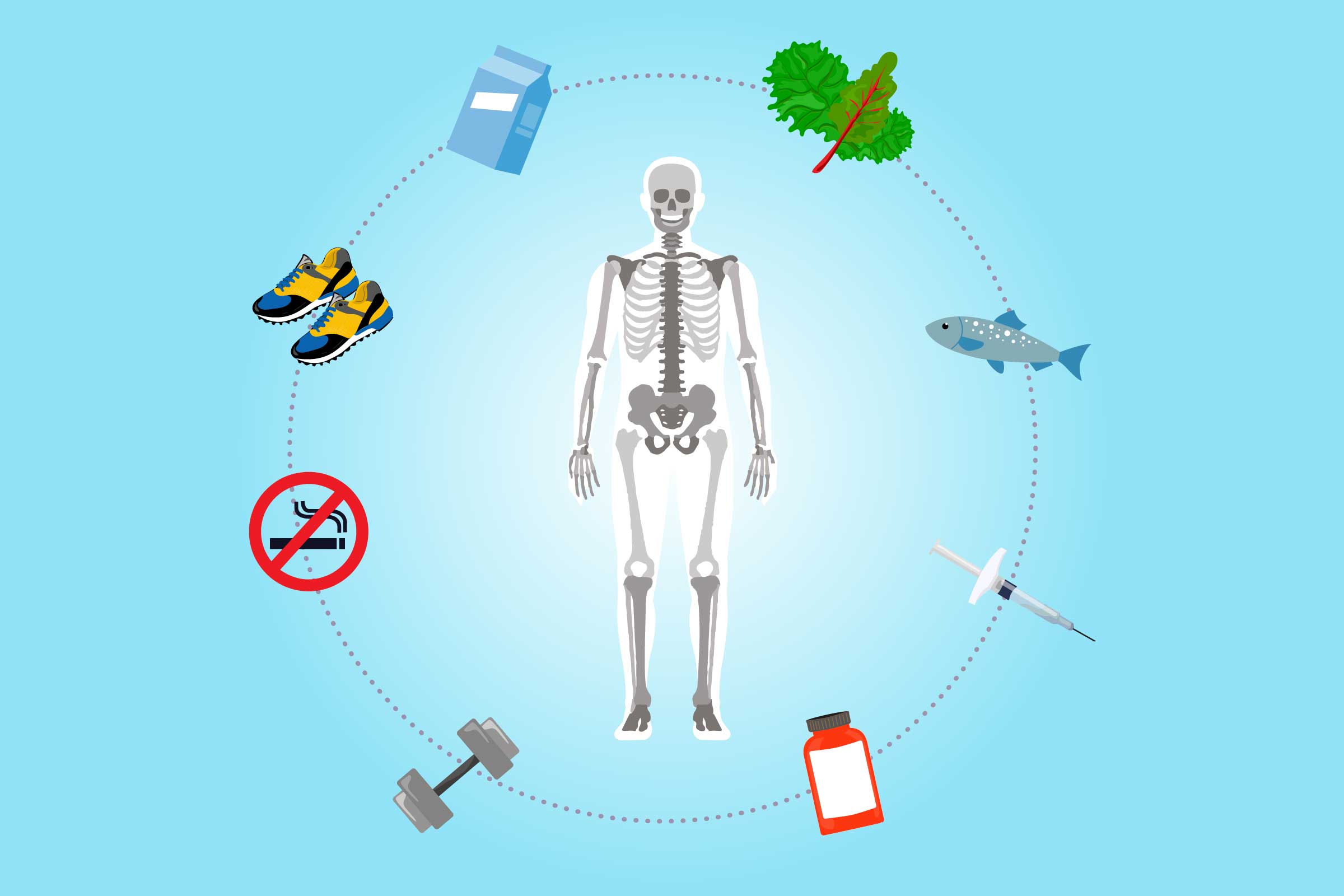
Most of the greatest gains in health are unlikely to come from ever more complex testing. They will come from helping ordinary people build consistent habits:
- eating sensibly;
- moving every day;
- maintaining strength;
- sleeping well;
- nurturing relationships;
- recognising risks early;
- and seeking help before problems become crises.
These are not glamorous interventions, but they are remarkably powerful.
Where the Field Is Heading
I also came away encouraged that many exhibitors and attendees were interested in practical solutions that people can actually use. The field appears to be maturing from asking “Can we extend healthspan?” to “How do we make healthier living achievable for everyone?”
That feels like the right direction.
If stewardship became the organising principle, we might stop thinking only about living longer and start thinking about preserving capability — for ourselves, our families, our workplaces and our communities.
In the end, perhaps success is not measured by how many years we add to life, but by how much life remains in those years.
At the London Osteoporosis Clinic, stewardship is at the centre of everything we do. We help individuals understand their bone and musculoskeletal health early — before problems develop — and work with them to build the habits that compound over a lifetime. If you would like to take that first step, book a consultation or explore our clinical pathways.
What is the difference between longevity and health stewardship?
Longevity typically asks “How can I live longer?” — often through optimisation, diagnostics and data. Health stewardship asks a different question: “How can I look after the health and capability I have, and help others do the same?” It shifts the focus from individual optimisation to responsibility, consistency and the fundamentals that have always mattered: nutrition, movement, sleep, relationships and early recognition of problems.
What are the most important habits for long-term health?
The evidence consistently points to the same fundamentals: eating sensibly, moving every day, maintaining strength, sleeping well, nurturing relationships, avoiding harmful habits, and recognising risks early. These are not glamorous interventions, but their cumulative impact over decades is profound. They are more powerful than any single diagnostic tool or supplement.
How can I find out if my bone health needs attention?
Bone loss is typically silent — there are no symptoms until a fracture occurs. A DEXA scan is the gold standard for assessing bone density and identifying risk early, when intervention is most effective. At the London Osteoporosis Clinic, we can assess your bone health and help you understand what action, if any, is appropriate. Book a consultation to get started.
Medically reviewed by Dr. Taher Mahmud, Consultant Rheumatologist and Co-Founder, London Osteoporosis Clinic. Dr. Mahmud has over 25 years of clinical experience in bone health and osteoporosis management.
The views expressed are the author’s own. This article is for informational purposes and does not constitute medical advice. If you have concerns about your bone or musculoskeletal health, please speak to a clinician.

