We teach children how to manage money. We have yet to teach them how to manage their most important asset.
- The cheapest option today is often the most expensive over time — in finance, and in health
- Most serious illness develops gradually through accumulated small choices, not a single event
- Health stewardship is the ability to make informed choices today that preserve capability tomorrow
- The six fundamentals — nutrition, movement, sleep, relationships, avoiding harmful habits, and early recognition — are proven and effective
- The return on health stewardship compounds over a lifetime, just as financial returns do
- Teaching health literacy like financial literacy could strengthen individuals, families and economies
A recent Financial Times article on the long-run cost of decisions highlighted an important truth: the cheapest option today is often the most expensive over time.
The same principle applies to health.
The Gap in What We Teach
We rightly teach financial literacy because small decisions, repeated over decades, determine financial wellbeing. Yet we devote remarkably little attention to health literacy, despite the fact that our daily choices have equally profound long-term consequences.
Most of the illnesses that place the greatest burden on individuals, families and economies do not appear suddenly. They develop gradually. Loss of muscle, weakening bones, poor metabolic health, declining fitness and reduced resilience are often the result of many small, accumulated factors rather than a single event.
The fracture, heart attack or diagnosis is usually the consequence — not the beginning.
This has implications far beyond healthcare. Poor health affects productivity, family life, education, social care and economic growth. We often debate how to fund healthcare, but spend less time considering how to preserve health before it is lost.
What Health Stewardship Means
At a recent longevity conference, I was struck by the remarkable innovation on display. Advanced diagnostics, wearable technologies, artificial intelligence and personalised testing all have an important role to play.
Yet I left with a different conclusion.
The greatest opportunity may not be more complexity. It may be greater understanding.
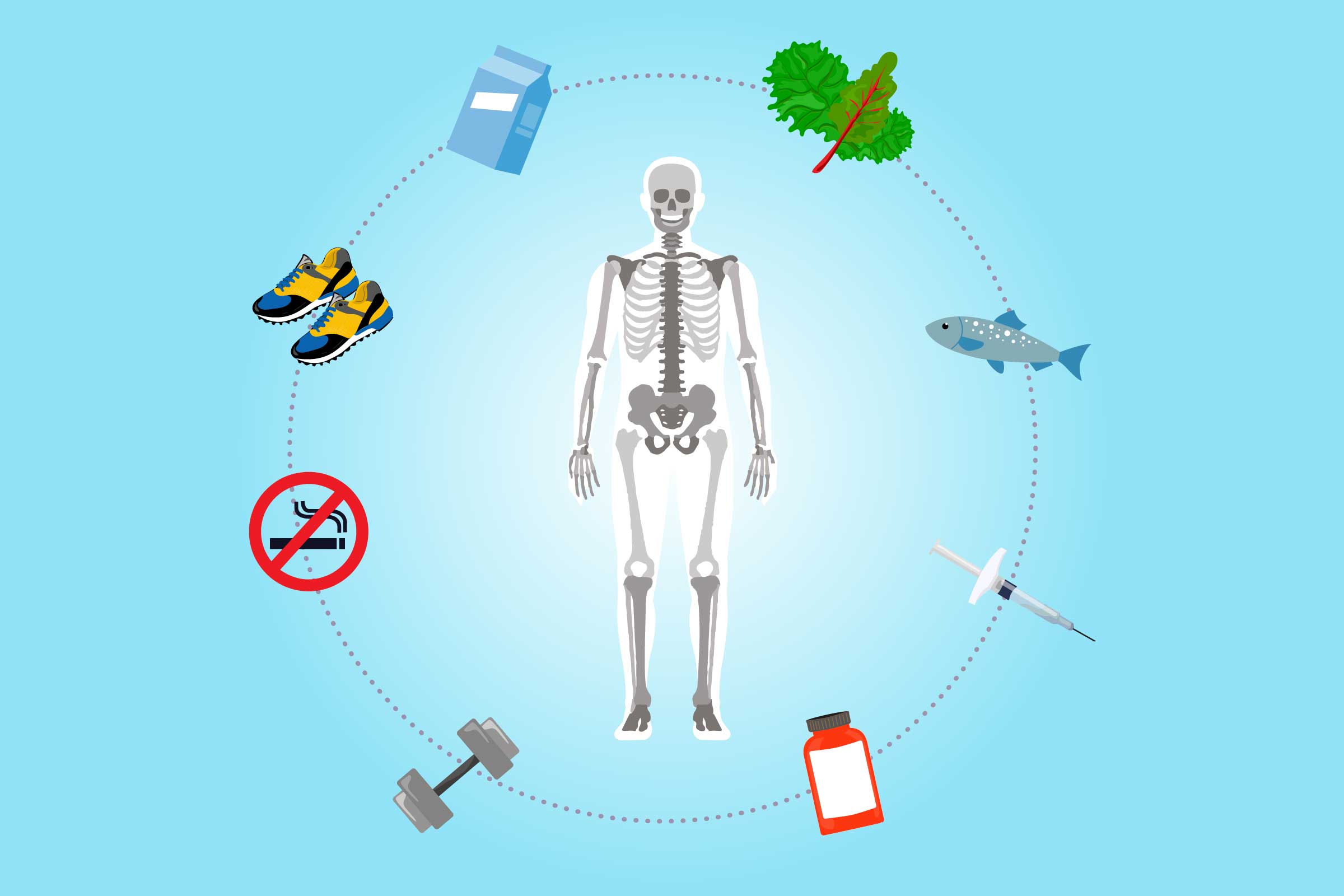
Health stewardship is the ability to make informed choices today that preserve capability tomorrow. It is less about pursuing extraordinary interventions and more about consistently practising the fundamentals that have stood the test of time: nutritious food, regular movement, restorative sleep, meaningful relationships, avoiding harmful habits, and recognising problems early.
These principles are neither fashionable nor novel. They are simply effective.

The Return Compounds Over a Lifetime
The return on such stewardship compounds over a lifetime. A person who maintains strength, balance and metabolic health into later life is more likely to remain independent, continue contributing to society and avoid many of the costs associated with preventable illness.
The same is true for organisations. Employers increasingly recognise that the health of their workforce is not simply a wellbeing initiative; it is a strategic asset. Healthy people are more present, more productive and more resilient. Preventing avoidable illness is often a better investment than managing its consequences.
Teaching Health the Way We Teach Finance
Perhaps we should begin to think about health in the same way we think about finance.
Financial literacy teaches us how to grow and protect our assets. Health stewardship teaches us how to grow and protect our greatest asset — our own capability.
If every child left school understanding how bone, muscle, sleep, nutrition and activity influence lifelong health, the benefits would extend far beyond hospitals. Families would be stronger, communities more resilient and economies more productive.
The question should no longer be simply, “How do we treat disease?”
It should also be, “How do we help people preserve health?”
Just as financial literacy has transformed the way many people think about money, health stewardship could transform the way we think about ourselves, our families and our future.
The greatest return on investment may not come from spending more on illness, but from becoming better stewards of health — long before illness begins.
At the London Osteoporosis Clinic we help individuals, families and organisations become informed stewards of their long-term health — through clinical assessment, evidence-based programmes and employer partnerships. If you would like to understand your bone health or explore how we can support your organisation, book a consultation or explore our pathways.
What is health stewardship?
Health stewardship is the ability to make informed choices today that preserve capability tomorrow. Rather than pursuing extraordinary interventions, it focuses on consistently practising the fundamentals — nutrition, movement, sleep, relationships, avoiding harmful habits, and recognising problems early — that have the greatest long-term impact on health and independence.
Why is prevention more effective than waiting for symptoms?
Most serious illness develops gradually. Loss of bone density, muscle, and metabolic health accumulates silently over years — the fracture or diagnosis is usually the consequence, not the beginning. Early clinical assessment identifies risk before symptoms appear, when intervention is most effective and the opportunity to change trajectory is greatest.
How can organisations support employee health stewardship?
Employers increasingly recognise that workforce health is a strategic asset, not simply a wellbeing initiative. The London Osteoporosis Clinic offers clinical assessment, bone health screening and employer health programmes. Preventing avoidable illness is often a better investment than managing its consequences. Contact us to find out more.
Medically reviewed by Dr. Taher Mahmud, Consultant Rheumatologist and Co-Founder, London Osteoporosis Clinic. Dr. Mahmud has over 25 years of clinical experience in bone health and osteoporosis management.
The views expressed are the author’s own. This article is for informational purposes and does not constitute medical advice. If you have concerns about your bone or musculoskeletal health, please speak to a clinician.

