Key Takeaways
- Salt is a Calcium Thief: Excess sodium causes your kidneys to excrete calcium, directly lowering bone density.
- The Alcohol Connection: Regular drinking interferes with bone-building cells (osteoblasts) and increases fall risk.
- Caffeine Caution: While moderate coffee is okay, excess caffeine can limit calcium absorption.
- Ultra-Processed Risks: UPFs are often low in nutrients and high in inflammatory additives that harm skeletal health.
- Balance, Not Deprivation: You don’t need a restrictive diet, just mindful swaps to keep your skeleton strong.
Most people think osteoporosis develops purely with age. However, everyday dietary habits can quietly influence how much bone you build — or lose — over time.
While calcium and vitamin D matter, certain foods and drinks may interfere with bone strength, calcium absorption, or skeletal repair. Understanding these hidden “bone robbers” is an important part of protecting long-term bone health.
Large observational studies and osteoporosis guidelines consistently show that nutrition, alcohol intake, physical activity, and ultra-processed dietary patterns all influence long-term fracture risk and bone density.
When we think about diet and bone health, we usually focus on what we should eat: more calcium, more protein, more leafy greens. But what about the foods that might be undoing your hard work?
Research continues to show that certain dietary habits can actively accelerate bone loss, either by blocking calcium absorption or by increasing the rate at which your body breaks down bone tissue. For patients with osteopenia or osteoporosis, limiting these “bone robbers” is just as important as taking your supplements.
Here are the 5 food categories to watch out for in 2025.
1. Excess Salt (The Silent Calcium Thief)
Salt (sodium) is arguably the biggest dietary enemy of bone density. The mechanism is simple: calcium and sodium compete in your kidneys.
When your body works to excrete excess sodium, it takes calcium along with it. For every 2,300 mg of sodium you excrete, you lose about 40–60 mg of calcium. Over years, this “leaching” effect can significantly weaken the skeleton.
Action Step: Check labels on ready meals, canned soups, and processed meats. Aim for less than 2,300mg of sodium per day (about one teaspoon of salt).
2. Alcohol: A Double-Edged Sword
While an occasional glass of wine is generally fine, consistent alcohol consumption is a well-established risk factor for fractures. Alcohol affects bones in two ways:
- Direct Toxicity: It inhibits the function of osteoblasts (the cells that build new bone).
- Hormonal Disruption: It can interfere with the production of oestrogen and testosterone, hormones that are vital for skeletal strength.
Furthermore, alcohol increases the risk of falls—the primary trigger for hip and wrist fractures. (Read more in our guide to Alcohol and Health Risks).
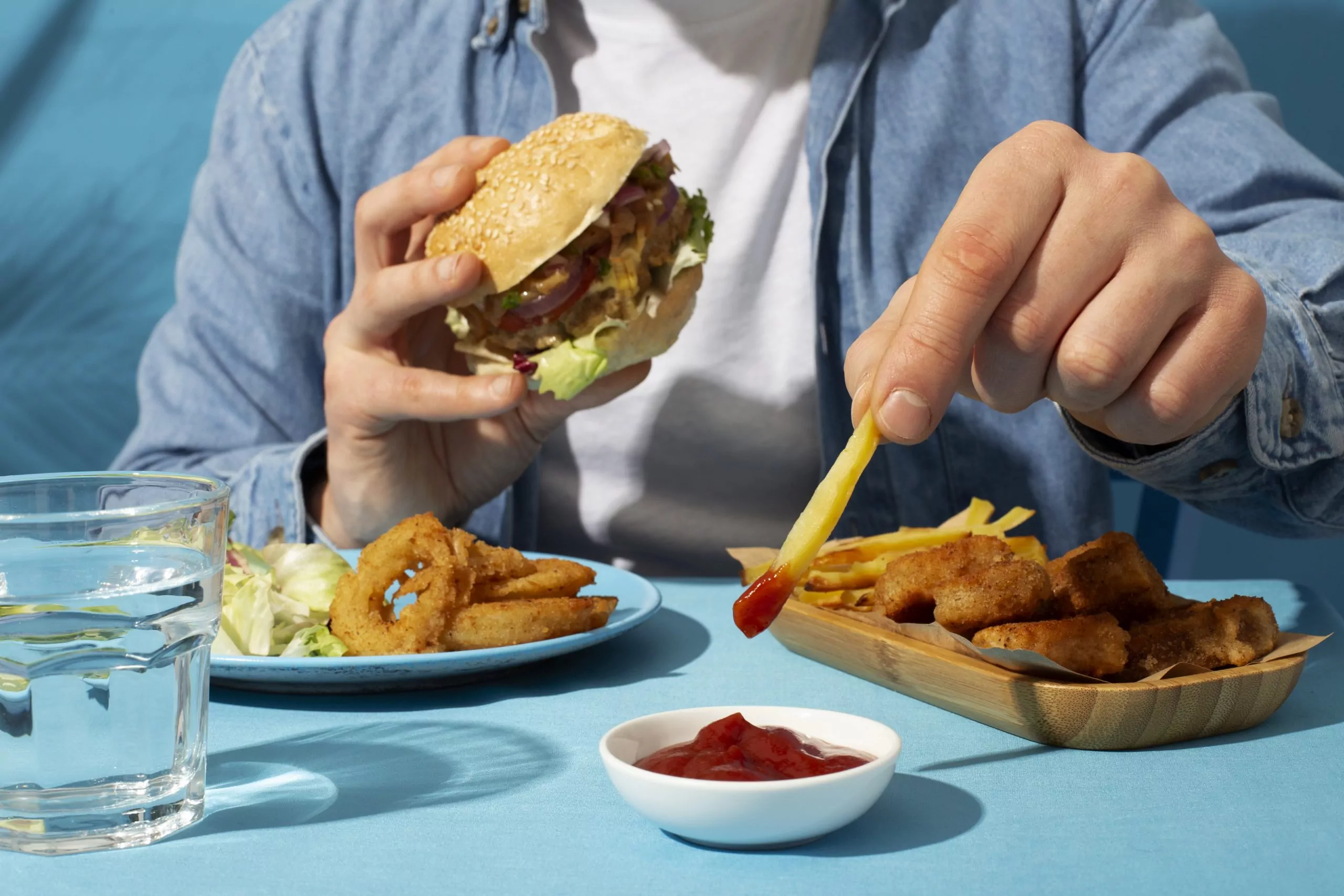
3. Ultra-Processed Foods (UPFs)
A 2025 review highlighted that diets high in Ultra-Processed Foods (like sugary cereals, fizzy drinks, and mass-produced snacks) are linked to lower bone mineral density. UPFs often contain inorganic phosphates (used as preservatives), which may interfere with the body’s natural regulation of calcium and phosphorus.
Additionally, UPFs are typically nutrient-poor, displacing the protein and vitamins your bones crave. Learn more about the risks of UPFs in our dedicated article.
4. Excessive Caffeine
High caffeine intake may modestly reduce calcium absorption in some individuals, particularly when overall calcium intake is low.
The Fix: If you are a heavy coffee drinker, ensure you are getting enough calcium in your diet to offset the loss. Adding milk (dairy or fortified plant-based) to your coffee can help neutralise the effect.
5. Oxalates and Phytates (The “Nuanced” Ones)
Certain healthy foods like spinach, rhubarb, and beans contain compounds called oxalates and phytates, which can bind to calcium and prevent its absorption.
Does this mean you should stop eating them? No. These foods are packed with other vital nutrients like Vitamin K and magnesium.
The Strategy:
- Don’t rely only on spinach for calcium (it’s not well absorbed).
- Soak beans before cooking to reduce phytates.
- Pair high-oxalate foods with a source of calcium (e.g., cheese with spinach) to reduce absorption issues.
What Should You Eat Instead?
Vitamin D: Essential for calcium absorption and muscle function. Sources include sunlight exposure, oily fish, eggs, and supplementation where appropriate.
- Calcium: Dairy, fortified milks, sardines.
- Magnesium: Nuts, seeds, whole grains. (See our list of magnesium-rich foods).
- Protein: Essential for the structural matrix of bone.
The goal is not perfection or a restrictive diet. Bone health is shaped by long-term patterns, not occasional treats. Small consistent changes — reducing ultra-processed foods, moderating alcohol, improving protein intake, and staying active — can meaningfully improve skeletal health over time.

