
Artificial intelligence has the potential to identify hidden osteoporosis risk earlier than any current screening pathway — potentially preventing hundreds of thousands of fractures that currently go undetected until it is too late. At AI Summit London 2026, the question was not whether AI can help. It is whether we will build the systems, with sufficient trust and clinical oversight, to make it happen. Dr. Taher Mahmud, Consultant Rheumatologist and Co-Founder of the London Osteoporosis Clinic, shares his perspective.
- Osteoporosis is a silent disease — millions of people live with fragile bones without knowing it, and the first sign is often an avoidable fracture
- AI can identify risk patterns across bone density, medications, blood results and lifestyle that no single clinician has time to manually synthesise at scale
- The future is collaboration — AI identifies signals, specialist clinicians provide interpretation, patients bring their values and goals
- Early detection combined with specialist-led intervention can measurably reverse bone loss and prevent fractures from occurring at all
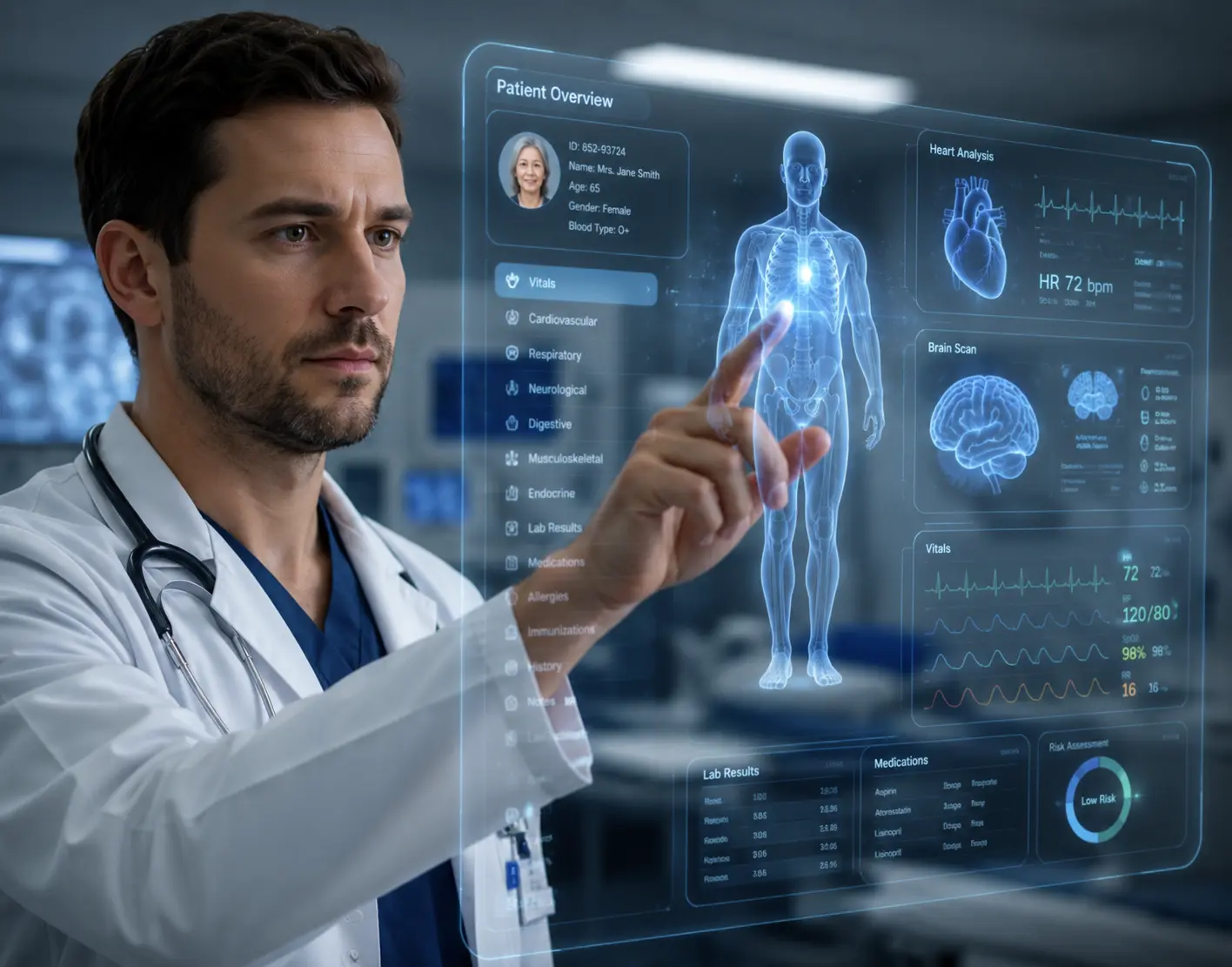
Osteoporosis — The Silent Disease Hidden in Plain Sight
At the AI Summit London 2026, discussions centred on a fundamental question: what should artificial intelligence actually be used for?
While much attention is focused on productivity, automation and robotics, perhaps one of the greatest opportunities lies elsewhere — in helping people stay healthier for longer and preventing avoidable suffering.
Osteoporosis is often called a silent disease, and the description is accurate in the most troubling sense. Millions of people across the UK live with significantly fragile bones without experiencing a single symptom. There is no pain. There is no warning. There is no moment when the body signals that something is wrong.
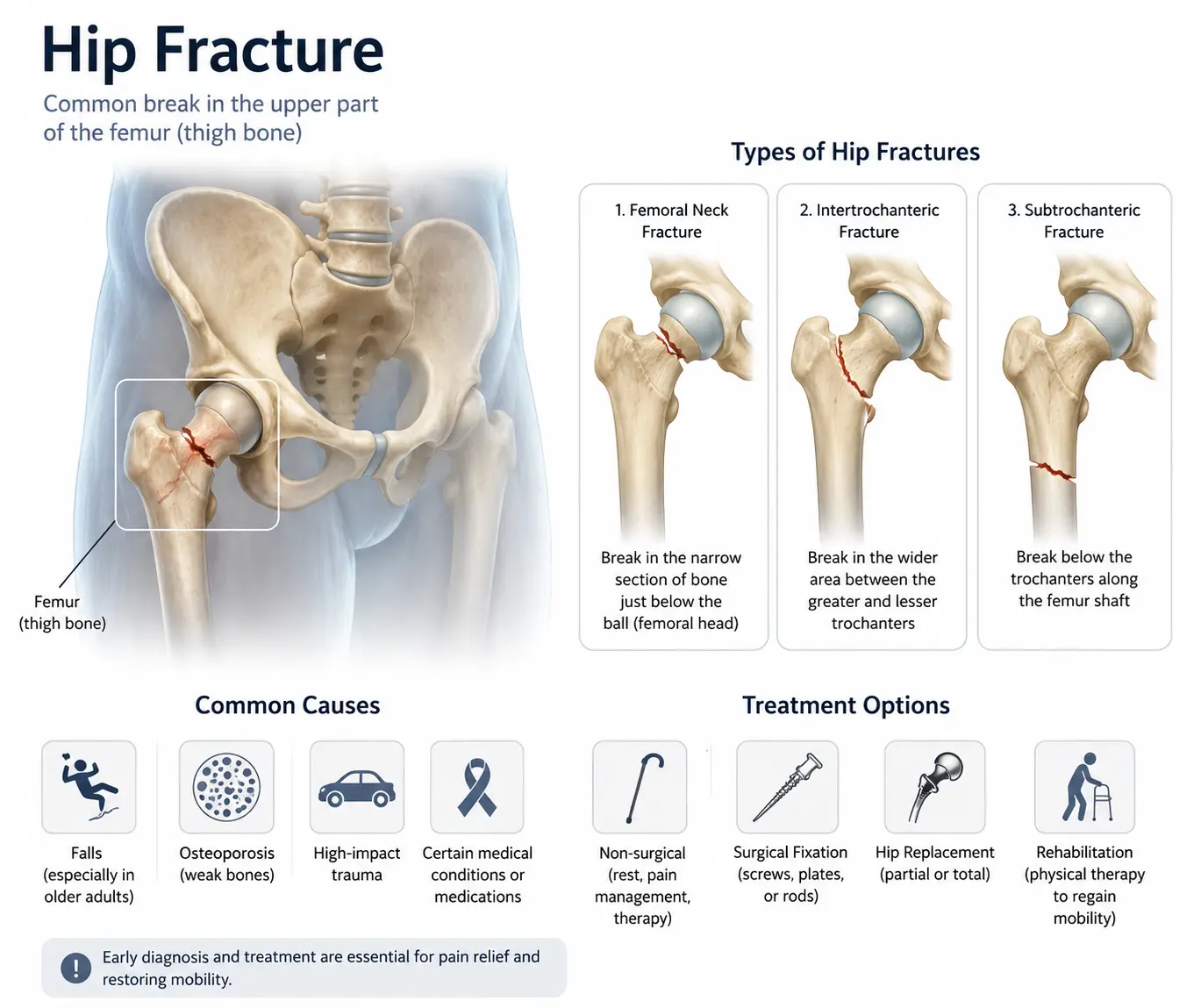
Frequently, the first indication is not a symptom at all — it is a fracture. A broken wrist from a minor stumble. A fractured vertebra discovered after back pain becomes unbearable. A hip fracture that, in older patients, carries a one-year mortality rate of approximately 30% and permanently alters independence and quality of life for many who survive [1].
The clinical reality is sobering. According to the International Osteoporosis Foundation, a fragility fracture occurs somewhere in the world every three seconds [2]. In the UK, osteoporosis causes more than 500,000 fractures per year. The majority of patients who sustain those fractures had identifiable risk factors that were present years — sometimes decades — earlier.
The risk existed long before the fracture. The problem is that we did not identify it in time. A DEXA scan and specialist assessment can identify that risk before any fracture occurs — which is precisely where AI could play a transformative role.
What Artificial Intelligence Could Do Differently
Artificial intelligence is exceptionally good at one thing above all: identifying patterns within large, complex datasets that no individual human analyst could process at the same speed or scale.
In healthcare, those patterns may include combinations of factors that individually appear unremarkable but together form a meaningful clinical picture:
- Bone density measurements over time
- A history of previous fractures, including those dismissed as trivial
- Long-term medication use — corticosteroids, proton pump inhibitors, certain antidepressants
- Blood test results showing vitamin D deficiency, elevated parathyroid hormone, or markers of bone turnover
- Lifestyle factors including low body weight, physical inactivity, smoking or alcohol use
- Family history of osteoporosis or fragility fracture
- Age, sex and menopausal status
A clinician reviewing a single patient can weigh these factors carefully. A clinician reviewing thirty patients in a morning clinic cannot give each patient’s full risk profile the depth of attention it deserves. This is not a failure of clinical skill — it is a structural limitation of a healthcare system designed around appointment slots, not data synthesis.
AI has the potential to identify hidden risks earlier and support clinicians in recognising people who may benefit from intervention before a fracture occurs — not after it. Applied at population scale, that capability could represent one of the most significant public health interventions of the next decade.
AI Will Not Replace Clinicians — It Will Make Them Better
There is understandable concern that technology may, over time, replace healthcare professionals. In the context of bone health, we see things very differently.
The future of AI in medicine is not replacement. It is collaboration.
AI can identify signals — patterns in data that suggest elevated risk. But identifying a signal is not the same as understanding it. Clinical judgement involves context that no algorithm currently captures fully: the patient who is anxious about taking medication, the family carer whose own health has been neglected, the patient whose blood results are abnormal but whose lifestyle changes have already begun to show results.
The most effective systems will combine three elements:
- AI — identifying patterns and flagging individuals who warrant closer clinical attention
- Specialist clinicians — providing interpretation, clinical context, judgement and compassion
- Patients — bringing their own goals, values, preferences and lived experience to every clinical decision
At the London Osteoporosis Clinic, our model already reflects something of this integrated approach. When a patient arrives with a DEXA scan result, we do not simply read the T-score. We review the full clinical picture: fracture history, medications, lifestyle, family history, blood results, and the patient’s own goals. A number without context is not a diagnosis. It is a starting point.
Earlier Detection Creates Better Outcomes
One of the clearest messages from the clinical evidence is that timing matters enormously in bone health. When risk factors are identified early — at the osteopenia stage, before fractures have occurred — interventions can be introduced that measurably slow or reverse the progression of bone loss.
These interventions are not experimental. They are available now, and they work. For many patients, osteoporosis can be reversed with the right programme:
- Strength and resistance training, which directly stimulates new bone formation
- Nutritional optimisation, addressing calcium intake and dietary patterns that affect bone turnover
- Vitamin D correction, which is essential for calcium absorption and bone mineralisation
- Falls prevention strategies, reducing the risk of the fall that triggers the fracture
- Bone-building medications where clinically appropriate — bisphosphonates, denosumab, romosozumab, or teriparatide for high-risk patients
- Structured monitoring, tracking bone density changes over time to confirm that treatment is working
The earlier these interventions are introduced, the greater the opportunity to preserve bone strength, maintain independence and prevent the fractures that change lives. The clinical evidence consistently shows that specialist-managed bone health care produces significantly better outcomes than primary care management alone [3]. Explore our BoneRevive® care pathways to understand how we approach this clinically.
“The most powerful thing about AI in bone health is not what it can do in a laboratory. It is what it could do in the ordinary journey of an ordinary patient — the 58-year-old woman who has never had a DEXA scan, the 65-year-old man on long-term steroids whose GP has never calculated his fracture risk, the patient who has already broken three bones and still has no diagnosis. If AI can identify those people earlier, and connect them to appropriate specialist care, it will have achieved something that our current system is failing to do at the scale that is needed.” — Dr. Taher Mahmud, Consultant Rheumatologist
Building Systems That Communities Can Trust
One of the most important themes emerging from AI Summit London 2026 was trust — and rightly so. For AI to deliver genuine benefit in healthcare, it must be deployed responsibly. Patients and clinicians alike must be able to understand and interrogate the systems making recommendations about their care.
The conditions for trustworthy AI in bone health are clear:
- Patients must understand why their data is being collected and how it is being used
- Clinical accountability must remain with qualified clinicians — AI informs, humans decide
- Systems must be validated against diverse patient populations, not only the datasets they were trained on
- Errors and limitations must be acknowledged openly, not concealed
- Benefits must be distributed equitably — AI in healthcare must not deepen existing health inequalities
Healthcare should always remain human-centred. Technology should support people, not replace the relationship between clinician and patient that remains the foundation of good care.

A Future Worth Building
Imagine a future where hidden osteoporosis risk is identified years before the first fracture occurs. Where individuals receive personalised guidance — on exercise, nutrition, supplementation and monitoring — at a point when intervention is most effective. Where families are supported to understand their own bone health risks before those risks become crises.
Where fewer people experience the avoidable fractures that change everything.
This is not a distant vision. The clinical tools to achieve much of it already exist. What has been lacking, in many cases, is the capacity to identify the right people at the right time and connect them to the right intervention. That is precisely the gap that artificial intelligence could help close.
At the London Osteoporosis Clinic, we believe the future of healthcare lies not only in treating disease but in identifying risk earlier, acting sooner and helping people build the stronger foundations they need for lifelong health and independence.
Better Health. More Capability. Fewer Fractures.
What This Means For You, Right Now
AI-assisted bone health screening is not yet available at scale in the UK. But specialist-led fracture risk assessment is available today, and for many people it is significantly overdue.
If you are over 50, have risk factors for bone loss, have experienced a fracture that may have been a fragility fracture, or simply want to understand your bone health before a problem develops, the most important step is a proper clinical assessment. At the London Osteoporosis Clinic, you can book an initial consultation without a GP referral. The best time to assess bone health is before the fracture. That opportunity exists now.
Frequently Asked Questions
Can AI diagnose osteoporosis?
Not independently, and not yet in routine clinical practice in the UK. AI systems can analyse imaging data — including standard X-rays and CT scans — to identify signs of bone density loss that human reviewers might miss. However, a formal diagnosis of osteoporosis requires a DEXA scan interpreted by a qualified specialist within a full clinical context. AI is a decision-support tool, not a diagnostic replacement for specialist assessment.
How could AI help with osteoporosis fracture prevention?
The greatest potential of AI in bone health lies in population-level risk identification — analysing data from electronic health records, prescribing histories, and imaging to identify individuals with elevated fracture risk who have not yet been referred for specialist assessment. At the individual level, AI may also help predict treatment response and optimise monitoring intervals. These applications are active areas of research and early clinical implementation.
Is AI already being used in osteoporosis care?
Yes, in limited and specialist settings. AI tools have been developed to automatically identify vertebral fractures on imaging, to calculate fracture risk from CT scans performed for other purposes (opportunistic screening), and to support radiologists in detecting bone density loss. These tools are not yet standard of care across the NHS, but they represent a real and growing area of clinical application.
Will AI replace rheumatologists and bone health specialists?
No — and the clinical reasons for this are clear. Bone health management requires integrating objective data with patient goals, medication tolerance, lifestyle feasibility and ongoing monitoring. These decisions require clinical judgement, contextual understanding and a therapeutic relationship that no current AI system replicates. AI will likely make specialists more efficient and better-informed, enabling them to serve more patients with greater precision.
How can I get my osteoporosis risk properly assessed today?
A formal bone health assessment at the London Osteoporosis Clinic includes a full clinical history, FRAX fracture risk score, DEXA scan referral where indicated, blood panel assessment, and a personalised treatment and monitoring plan. No GP referral is required. Book your initial consultation here. Early assessment — before a fracture occurs — is always the better outcome.
References
[1] National Hip Fracture Database Annual Report 2023. NHFD.co.uk
[2] International Osteoporosis Foundation. “Facts and Statistics.” osteoporosis.foundation
[3] McLellan AR, et al. “The fracture liaison service.” Osteoporosis International. 2003. PubMed
[4] AI Summit London 2026, London Tech Week. Event page
Written & Medically Reviewed by Dr. Taher Mahmud, Consultant Rheumatologist and Co-Founder, London Osteoporosis Clinic™. Dr. Mahmud has over 25 years of clinical experience in bone health and osteoporosis management and presented at AI Summit London 2026.

