
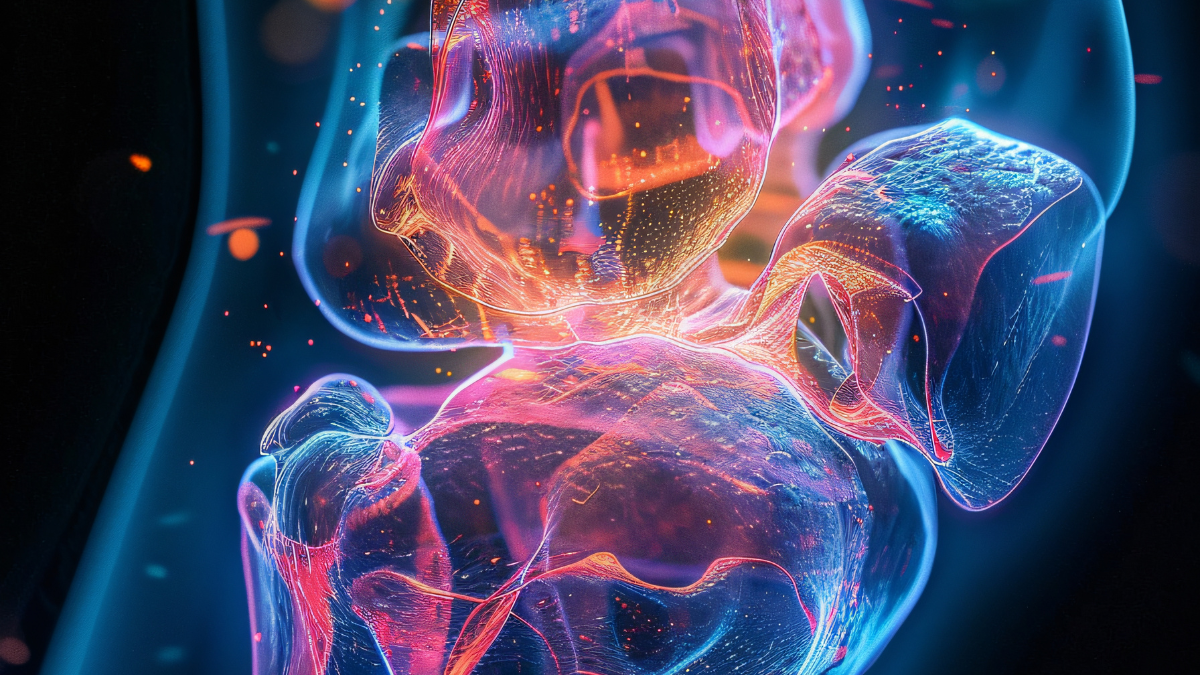
The Bottom Line: While calcium provides the hardness of your bones, collagen provides the framework that holds them together. Taking calcium supplements without addressing your collagen matrix is like pouring concrete without steel rebar—it leads to brittle bones that may fracture even with “normal” density scores.
Key Takeaways
- The 50/50 Rule: Bone volume is approximately 50% protein (collagen) and 50% mineral (calcium/phosphorus). Ignoring the protein half compromises structural integrity.
- Flexibility = Strength: Collagen gives bone its tensile strength—the ability to absorb impact (like a fall) without snapping.
- The Age Factor: We lose about 1% of our collagen per year after age 20. By menopause, this accelerates, leading to the “brittle” quality of osteoporotic bone.
- Dietary Strategy: Specific amino acids (Glycine, Proline) and Vitamin C are required to rebuild the collagen helix; supplements alone often fail without these co-factors.
The “Steel and Concrete” Analogy: Understanding Bone Quality
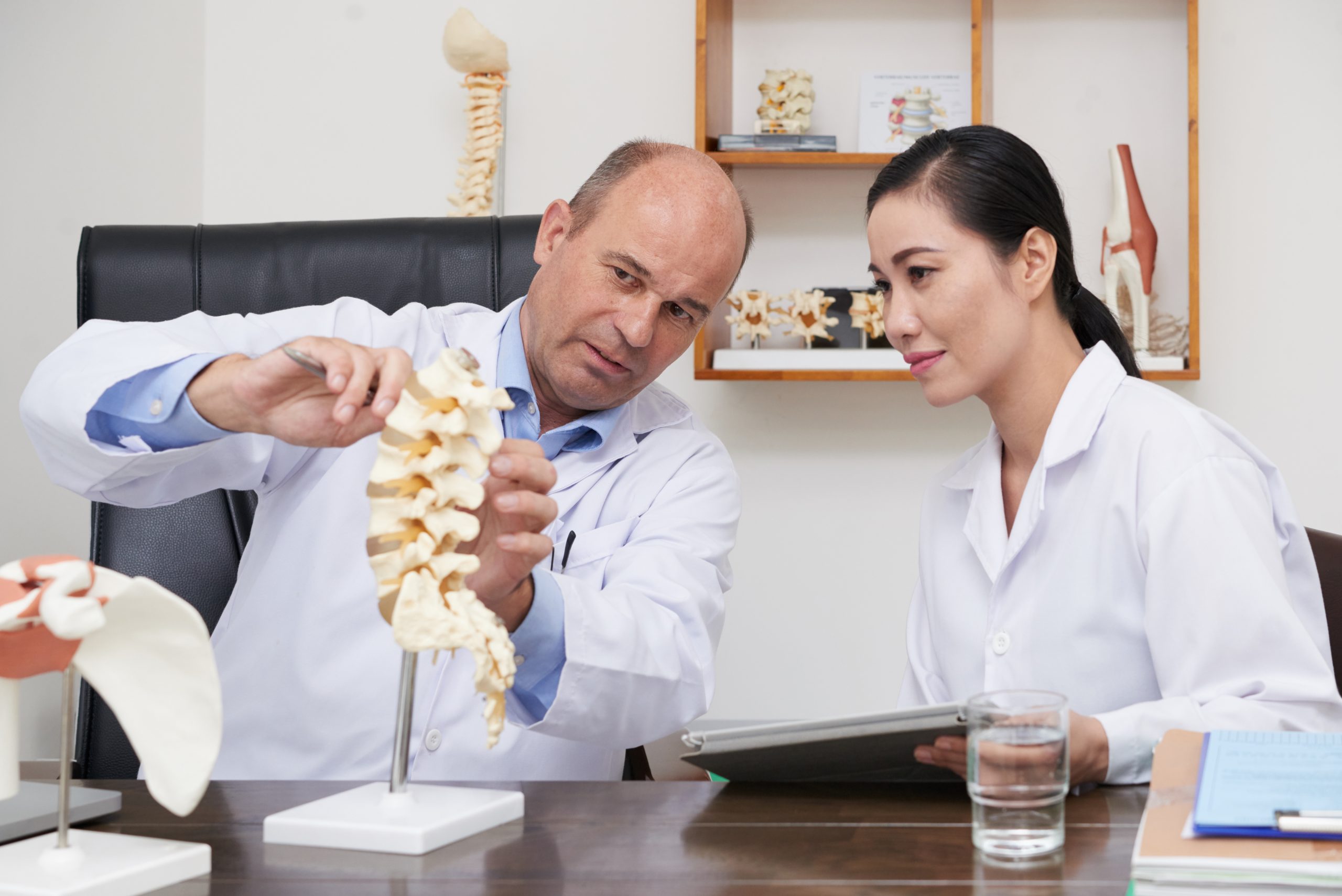
To truly understand osteoporosis, we must move beyond the simple concept of “density.” Engineering principles offer the best analogy for how human bone functions:
- Calcium (Hydroxyapatite Crystals): Acts as the Concrete. It provides compressive strength, allowing you to stand upright and carry weight.
- Type I Collagen: Acts as the Steel Rebar inside the concrete. It provides tensile strength, allowing the bone to bend slightly under stress rather than shattering.
In patients with osteoporosis, we often see a degradation of this collagen network. The cross-links that hold the collagen fibers together break down. When this happens, even if you flood the body with calcium, there is no “mesh” for the minerals to bind to. This results in bones that might look dense on a low-quality scan but are actually incredibly fragile [1].
Why Calcium Supplements Alone Are Not Enough
For decades, the standard advice for bone health was “drink your milk” and take calcium supplements. However, clinical data shows that high calcium intake alone does not significantly reduce fracture risk in older adults if protein intake is low.
In fact, the “Calcium Paradox” describes countries with the highest calcium intake (like the USA and Scandinavia) also having some of the highest hip fracture rates. Why? Because the Western diet is often deficient in the specific nutrients required to maintain the collagen matrix.
The Danger of “Chalky” Bones
If you take high doses of calcium (especially cheap calcium carbonate) without adequate Vitamin K2, D3, and collagen support, the calcium may not integrate into the bone tissue. Instead, it can accumulate in soft tissues, potentially leading to arterial calcification. We want calcium in the bones, not in the arteries.
How to Rebuild Your Collagen Matrix
Unlike minerals, which you just need to ingest, collagen is a complex protein that your body must manufacture. You can support this process through three primary pillars:
1. Targeted Nutritional Precursors
You don’t necessarily need a collagen supplement to build collagen, but you do need the raw materials:
- Glycine & Proline: These are the two primary amino acids in the collagen helix. They are found abundantly in gelatinous cuts of meat, bone broth, chicken skin, and fish skin. Lean muscle meat (chicken breast) is poor in these amino acids.
- Vitamin C: This is the “glue” that holds collagen fibers together. Without sufficient Vitamin C, your body literally cannot form stable collagen (this is the mechanism of scurvy). A daily intake of vitamin C-rich foods (peppers, citrus, berries) is non-negotiable for bone repair [2].
2. The Role of Collagen Peptides
Recent studies suggest that Hydrolyzed Collagen Peptides may have a specific signaling effect on osteoblasts (bone-building cells). Unlike whole proteins, these small peptides are absorbed intact and may act as “messengers” that tell the body to ramp up bone tissue repair.
3. Hormonal Support
Estrogen plays a massive role in protecting collagen (which is why skin wrinkles and bone loss accelerate simultaneously after menopause). For many patients, Bioidentical Hormone Replacement Therapy (BHRT) is the most effective way to preserve the collagen they have left.
“At the London Osteoporosis Clinic, we often see patients who have been religiously taking calcium for years but still fracture. This is a failure of bone quality, not just density. We assess the collagen status of our patients through specific blood markers (like CTX) and dietary analysis. We move the focus from ‘calcification’ to ‘remodeling’—ensuring the living protein matrix of the bone is healthy enough to hold the minerals.”
— Dr. Taher Mahmud, Consultant Rheumatologist
Frequently Asked Questions
Should I take a collagen supplement?
For many patients, yes. We specifically look for “Hydrolyzed Collagen Peptides” (Type I) derived from bovine or marine sources. However, supplements cannot out-work a low-protein diet. You must prioritize dietary protein first.
Is bone broth actually effective?
Yes, homemade bone broth is an excellent source of bioavailable minerals and collagen precursors like glycine. It is also anti-inflammatory for the gut, which aids nutrient absorption.
How do I know if I have low collagen?
External signs often mirror internal status. Thinning skin, brittle nails, and joint pain can be indicators that your systemic collagen production is declining. Specialized blood tests (Bone Turnover Markers) give us a more medical view of this breakdown rate.

